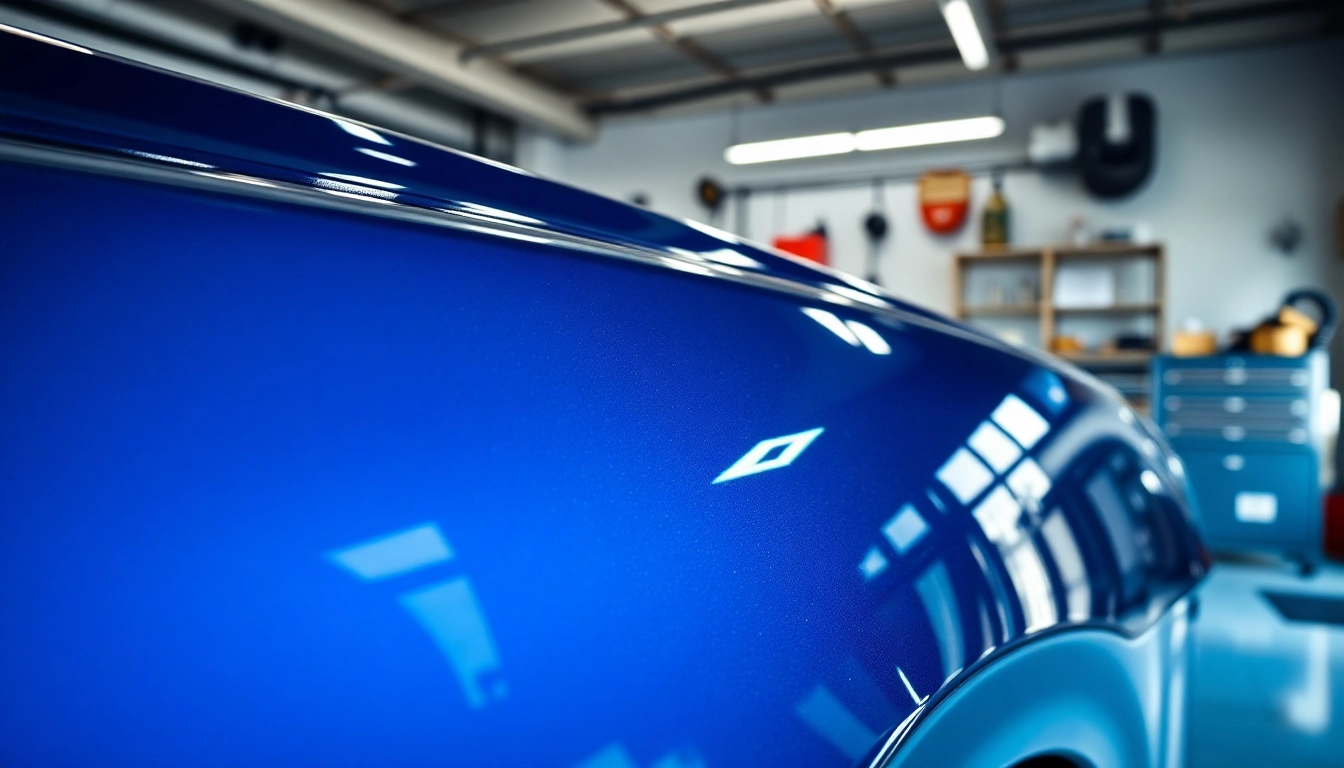
Understanding Salt Protection Ceramic Coating
What is Salt Protection Ceramic Coating?
Salt protection ceramic coating is a high-performance protective layer designed to shield your vehicle’s exterior from corrosive elements, particularly road salt. This advanced formula creates a durable barrier that adheres to the surface of your vehicle, providing a glossy finish while preventing damage caused by salt exposure and other environmental aggressors.
Benefits of Salt Protection Ceramic Coating
Investing in salt protection ceramic coating yields multiple benefits:
- Corrosion Resistance: Road salt can lead to rust and deterioration of metal surfaces. This coating minimizes that risk.
- Longevity: Unlike traditional wax, ceramic coatings can last for years with proper maintenance, offering durable protection.
- Ease of Cleaning: The hydrophobic nature of ceramic coatings makes it significantly easier to remove dirt and grime.
- Enhanced Appearance: The coating gives your vehicle a high-gloss finish, making it look newer for longer.
- UV Protection: It helps protect your paintwork from fading due to UV exposure.
How It Works to Protect Your Vehicle
The effectiveness of salt protection ceramic coating lies in its molecular structure. Unlike conventional wax, which sits on top of the surface, ceramic coatings chemically bond with the paint. This bond creates an impenetrable layer, which not only repels water but also prevents corrosive materials like salt from adhering directly to the vehicle’s surface.
Choosing the Right Ceramic Coating
Factors to Consider for Your Vehicle
When selecting a ceramic coating, consider several factors:
- Vehicle Type: Different vehicles have varying requirements based on their usage and exposure to elements.
- Environmental Conditions: If you live in an area prone to snow and road salt usage, a robust ceramic option is crucial.
- Budget: Quality coatings vary in price, so it’s essential to find one that meets your protection needs without compromising quality.
- Application Method: Some products are designed for DIY application, while others require professional expertise.
Comparison of Ceramic Coating Types
There are mainly two types of ceramic coatings: consumer-grade and professional-grade. Consumer-grade coatings are typically easier to apply and suitable for DIY enthusiasts, but might not offer the same level of protection as professional-grade options. In contrast, professional-grade coatings require expert application and provide enhanced durability and longevity, making them ideal for high-value vehicles.
Cost Considerations for Quality Coating
Cost can vary significantly based on brand, type, and application context. Generic consumer-grade products might range from $50 to $150, while professional-grade options can start at $500 and go significantly higher, depending on vehicle size and condition. Consider both initial costs and long-term maintenance when making a decision.
Applying Salt Protection Ceramic Coating
Preparing Your Vehicle Before Application
Proper preparation is key to a successful ceramic coating application. Begin by washing your vehicle thoroughly to remove dirt and contaminants, followed by clay bar treatment to eliminate embedded particles. Ensure the surface is dry before moving to the next step.
Step-by-Step Application Process
- Section the Vehicle: Divide your vehicle into manageable sections to ensure you don’t miss any spots.
- Application: Using an applicator pad, apply the ceramic coating evenly, following the manufacturer’s instructions.
- Curing Time: Allow the coating to cure as recommended, typically ranging from a few hours to up to 48 hours.
- Final Touches: After cure time, inspect the surface for missed spots and rectify them if necessary.
Post-Application Care Tips
After applying ceramic coating, it’s crucial to allow the product to cure without interference. Avoid washing your vehicle for at least a week to ensure the coating establishes a proper bond. Also, refrain from parking under trees or in dusty environments during this time.
Maintaining Your Coated Vehicle
Routine Cleaning Practices
To preserve your ceramic coating, wash your vehicle regularly using pH-neutral soaps. Avoid abrasive sponges and stick to microfiber cloths to minimize scratches. Additionally, consider using a maintenance spray specifically designed for ceramic coatings to enhance shine and protection.
Avoiding Common Mistakes
Many vehicle owners unknowingly undermine their ceramic coating’s effectiveness by committing common mistakes. These include using harsh chemicals, neglecting regular washing, and failing to follow the manufacturer’s recommendations regarding maintenance products.
Signs That Your Coating Needs Reapplication
Indicators that your ceramic coating needs reapplication include diminished hydrophobic properties, reduced gloss, and visible contaminants adhering to the surface. Regular inspections can help you determine the optimal timeline for reapplication, usually every 2 to 5 years, depending on the product and conditions.
Frequently Asked Questions About Ceramic Coating
How long does salt protection ceramic coating last?
Salt protection ceramic coatings can last from 2 to 5 years or more, depending on the quality of the coating and maintenance practices.
Can I apply the coating myself?
Yes, consumer-grade ceramic coatings are designed for DIY application, but professional-grade coatings usually require expert skills to ensure optimal results.
Is ceramic coating worth the investment?
Absolutely. Ceramic coatings offer long-term protection and reduce maintenance efforts compared to traditional wax, making them a worthwhile investment for vehicle owners.
How does it compare to traditional wax?
Ceramic coatings provide superior durability, protection, and gloss compared to traditional wax, which typically lasts only a few months.
What conditions affect the durability of the coating?
The durability of ceramic coatings can be impacted by environmental factors, such as exposure to harsh chemicals, frequent washing, and wear from road conditions.