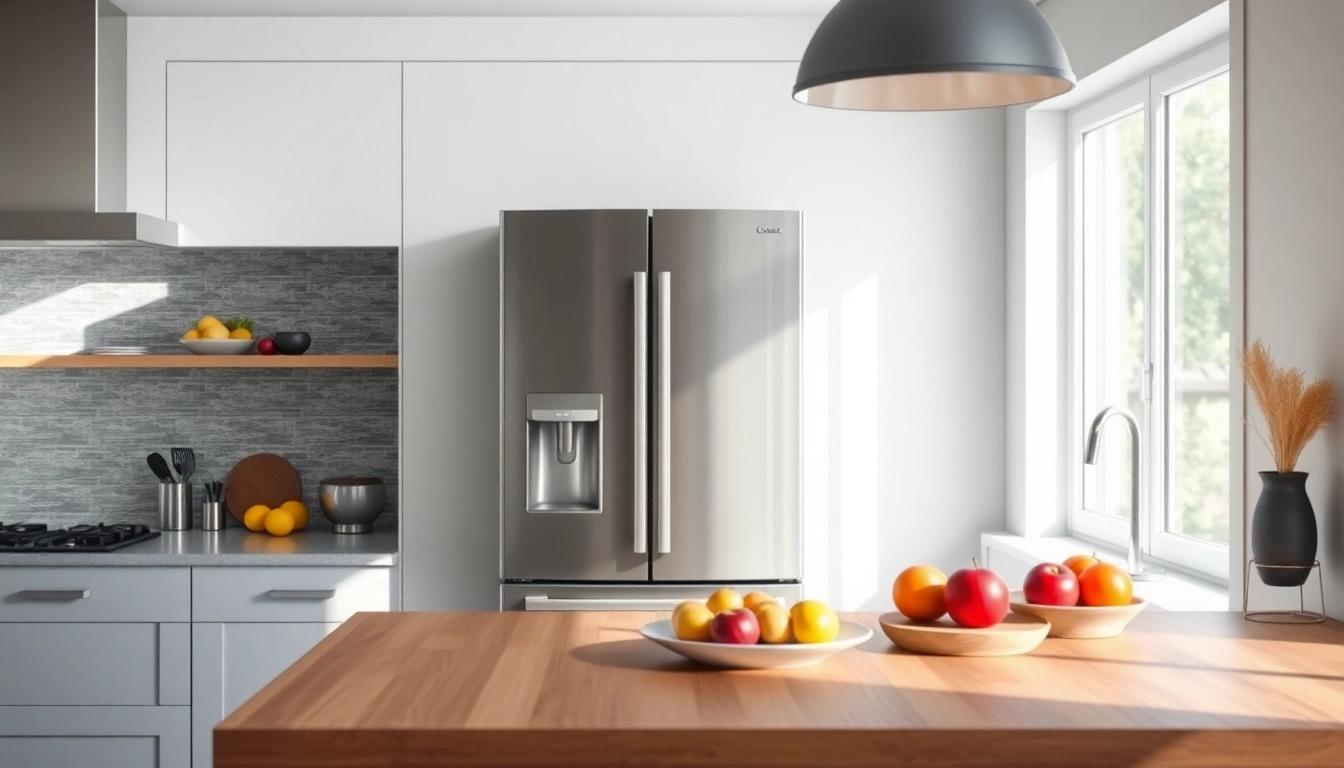
Understanding Different Types of Refrigerators
When it comes to the world of refrigeration, discerning the right type of refrigerator involves an understanding of different models available on the market. Each type offers unique features that cater to varied consumer needs, kitchen layouts, and desired functionalities. Below, we will delve into the three primary types of refrigerators that dominate the market.
Top-Freezer Refrigerators
Top-freezer refrigerators are often the most traditional design and are characterized by a freezer compartment located above the refrigerator section. This layout is functional and provides convenient access to frozen items, making it a popular choice among families and those looking for simplicity in design.
- Pros: Generally more affordable, energy efficient, spacious in both sections, and provides easy access to commonly used items.
- Cons: Requires bending to access items below; may not fit seamlessly in modern kitchen aesthetics.
Side-by-Side Refrigerators
Side-by-side refrigerators present a modern approach to kitchen storage, with the fridge and freezer positioned next to each other. This design allows for easy access to both sections and often includes additional features such as water and ice dispensers.
- Pros: Space-saving design with adjustable shelving, direct access to both compartments without having to bend.
- Cons: More expensive than top-freezer types; limited vertical space for taller items.
French Door Refrigerators
The elegance of French door refrigerators lies in their dual doors for the refrigerator compartment paired with a bottom freezer. This design not only enhances kitchen aesthetics but also offers ample space and a variety of organizational options.
- Pros: Stylish and spacious; perfect for larger households; customizable shelving.
- Cons: Higher price point; takes up more space; can be challenging for short users to reach the top shelves.
Key Features to Consider in a Refrigerator
When selecting the perfect refrigerator for your home, several key features must be evaluated to ensure you are making an informed decision. Beyond aesthetics and type, functionality enhances your usage experience considerably.
Energy Efficiency Ratings
Energy efficiency ratings are crucial as they impact long-term operational costs and environmental sustainability. Look for models that have the ENERGY STAR label as they meet the energy efficiency guidelines set by the U.S. Environmental Protection Agency and the Department of Energy.
- ENERGY STAR refrigerators can save users hundreds of dollars in energy costs over the lifespan of the appliance.
- Consider the potential savings related to your local energy prices, which vary significantly.
Size and Dimensions
Before making a purchase, it's essential to consider the size and dimensions of the refrigerator. Measure your kitchen space along with doorways and pathways to ensure that the appliance can fit comfortably.
- Standard refrigerators typically range from 28 to 36 inches in width, so evaluating your kitchen layout is necessary.
- Leave room for airflow around the appliance for optimal performance.
Storage Options and Flexibility
Storage options vary widely among different refrigerator models. Assessing shelves, bins, and compartments can determine how easily you can organize and access your food items.
- Look for adjustable shelves to customize space according to your needs.
- Features like deli drawers or humidity-controlled bins can significantly enhance food preservation.
Buying Tips for Finding the Best Refrigerator
The process of buying a refrigerator can feel overwhelming with the plethora of options available. However, with the right tips, you can simplify the decision-making process.
Budgeting for Your Appliance
Establishing a clear budget when looking for a refrigerator is crucial. Prices can vary dramatically based on type, features, and brand. Prioritize your needs to find a model that aligns with your financial plan while not sacrificing essential features.
- Typical prices may range from $500 to over $3,500, depending on custom features and brand reputation.
- Don't forget to factor in delivery and installation fees, which can add to the overall cost.
Where to Shop and Compare
Choosing the right retail platform can influence your purchase significantly. Department stores, appliance websites, and home improvement stores may offer different styles, promotions, and customer service experiences.
- Comparison shopping both online and offline can help you appreciate pricing variations and available features.
- Take advantage of seasonal sales and promotions, particularly during holiday sales periods.
Reading Reviews and Ratings
Consumer reviews and ratings provide insights into appliances' real-world performance, durability, and user experience. Online review platforms can be invaluable when evaluating specific models.
- Look for detailed reviews addressing both pros and cons rather than just overall ratings.
- Avoid appliances with multiple red flags in consumer feedback regarding reliability or performance.
Maintaining Your Refrigerator for Longevity
A refrigerator is a long-term investment in your kitchen, and understanding maintenance procedures can enhance its lifespan significantly. Proper upkeep minimizes repair costs and optimizes performance.
Routine Cleaning and Care
Maintaining cleanliness inside and outside the refrigerator is essential. Regularly cleaning the interior prevents odor buildup and helps retain food freshness.
- Utilize a mixture of water and vinegar for an effective natural cleaning solution.
- Pay attention to seals and gaskets; ensuring these are clean improves efficiency.
Temperature Settings and Food Safety
Temperature settings play a critical role in food safety. The optimum refrigerator temperature should be below 40°F (4°C) while the freezer should maintain a consistent temperature of 0°F (-18°C).
- Be sure to utilize a thermometer to verify your appliance's accuracy.
- Investing in a model that features smart temperature controls can aid in maintaining ideal settings.
Common Issues and Troubleshooting
Understanding common refrigerator issues can save time and money. Regular checks for unusual noises or temperature fluctuations can quicken troubleshooting efforts.
- Ensure that coils are clean and free of dust—dirty coils can result in inefficient cooling.
- If you notice excessive frost in the freezer, a faulty door seal may be to blame.
Innovations in Refrigerator Technology
The refrigerator landscape has evolved, incorporating innovative technology designed to enhance convenience and efficiency in the kitchen.
Smart Refrigerator Features
Smart refrigerators are at the forefront of technology, with integrated Wi-Fi capabilities that allow users to manage their appliances remotely. These features often include touchscreens, recipe suggestions, and notifications on item freshness.
- Many models sync with smartphones, enabling users to check inventory without opening the door.
- Smart home integration for energy management optimizes power usage efficiently.
Eco-Friendly Models
With a growing emphasis on sustainability, eco-friendly refrigerator options have gained popularity. These models are designed with environmentally friendly materials and energy-efficient systems.
- Consider investing in refrigerators that utilize refrigerants with lower global warming potential.
- Look for models designed to minimize energy use while maximizing food preservation.
Advanced Cooling Systems
Refrigerators with advanced cooling technology provide more precise temperature control and reduced energy consumption. Multi-zone cooling systems, for instance, ensure that different compartments maintain ideal climates.
- Look for features like dual evaporators for separate temperature control in fridge and freezer.
- Advanced air circulation helps eliminate temperature fluctuations and keep food fresh longer.
Frequently Asked Questions (FAQs)
What is the difference between a fridge and refrigerator?
A fridge is a simplified, compact cooling appliance, while a refrigerator refers to larger, sophisticated models with advanced features, including freezers and temperature controls.
How much will a refrigerator cost?
Prices vary widely: bottom freezers typically cost $750-$4,000; side-by-side from $1,000-$10,000; French doors range from $1,200-$11,000; built-in models may go from $2,900-$12,000.
How can I maintain my refrigerator?
Regular cleaning, checking temperature settings, and ensuring dust-free coils are crucial for maintenance. Keeping an inventory of food and checking seals also helps in long-term performance.
What should I look for in a refrigerator?
Consider features like energy efficiency, size, storage configuration, brand reliability, smart capabilities, and budget when choosing the right refrigerator for your needs.
How does energy efficiency affect my refrigerator?
Energy efficiency ratings directly influence your energy bills. ENERGY STAR rated refrigerators offer significant savings in energy costs while being environmentally friendly.