Understanding Water Lilies: An Introduction
Water lilies, with their enchanting blooms and broad floating leaves, are a striking feature of garden ponds. Not only do they elevate the aesthetic appeal of any water feature, but they also contribute significantly to the health of the aquatic ecosystem. These perennial plants thrive in various pond environments, providing not just beauty but also vital habitat and shade for fish and other aquatic wildlife. When exploring options, Water Lilies offer comprehensive insights into growing and maintaining these stunning plants effectively, ensuring a vibrant and healthy pond year after year.
What Are Water Lilies?
Water lilies belong to the family Nymphaeaceae and are aquatic flowering plants that grow from rhizomes submerged in water. Their characteristic round leaves can spread across the water surface, creating a tapestry of green punctuated by colorful blooms that open in the sun and close at night. These flowers bloom in various shades, including white, yellow, pink, and red, making them versatile choices for pond enthusiasts.
Benefits of Water Lilies in Garden Ponds
- Water Quality Improvement: Water lilies contribute to clearer water by shading the pond surface. This shade reduces the likelihood of excessive algae growth by preventing direct sunlight from penetrating the water.
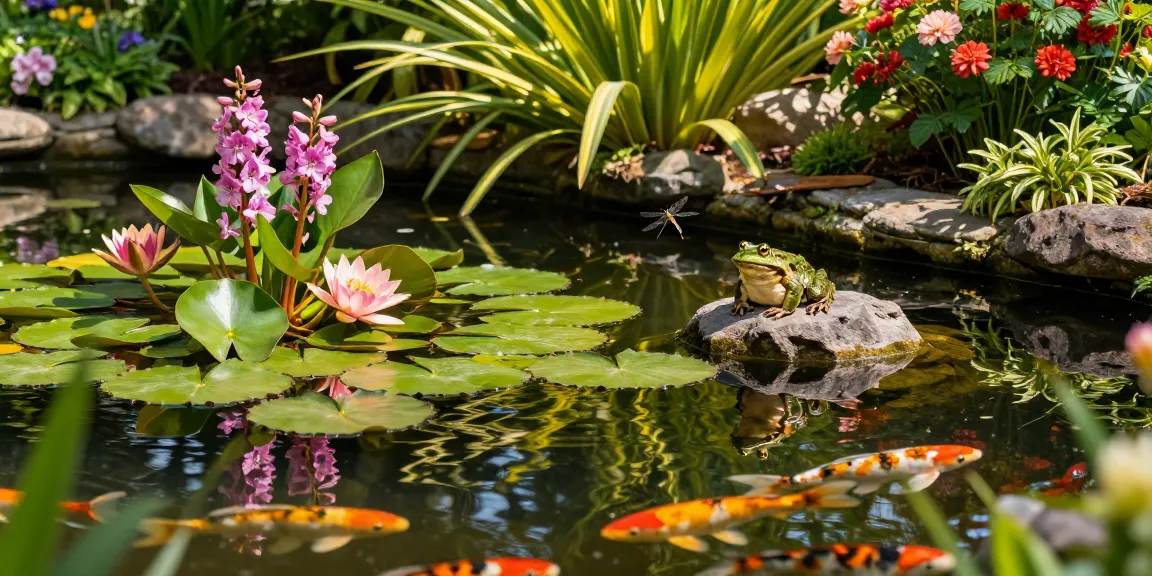
- Habitat for Wildlife: They provide shelter for fish, frogs, and other aquatic creatures. The roots of the plants harbor beneficial microorganisms essential for a balanced pond ecosystem.
- Aesthetic Appeal: The colorful blooms and lush green leaves add visual interest to any pond, enhancing the overall aesthetic and creating a tranquil environment.
- Temperature Regulation: Water lilies help keep the water temperature lower during hot weather, creating a more stable habitat for fish and other pond inhabitants.
Common Varieties of Water Lilies
Various species of water lilies are available, each with unique characteristics. Some popular varieties include:
- Nymphaea Alba: A native species known for its white flowers and fragrant appeal.
- Nymphaea 'Gonnere': A compact, hardy variety ideal for smaller ponds.
- Nymphaea 'Black Princess': Features deep maroon flowers that add dramatic color contrast.
- Nymphaea 'Attraction': Renowned for its vivid pink flowers and strong growth habit.
- Nymphaea 'Virginalis': Produces large white blooms, making it a popular choice for many pond owners.
Choosing the Right Water Lily for Your Pond
Selecting the appropriate water lily for your pond involves considering several factors to ensure your aquatic garden thrives. Understanding the different varieties and their growth habits is crucial for a successful planting experience.
Factors to Consider When Selecting Water Lilies
- Pond Size: Consider the size of your pond when choosing a variety. Compact varieties are best for smaller ponds, while larger varieties require more space to spread and grow.
- Sunlight: Ensure you choose a variety that matches the sunlight conditions of your pond. Most water lilies prefer full sun for optimal blooming.
- Water Depth: Different species require varying depths for effective growth. Some thrive in shallow water, while others need deeper conditions.
Size and Depth Requirements for Different Varieties
Understanding the specific size and depth requirements for water lilies is crucial to their successful growth. Compact varieties require less water depth, making them ideal for smaller ponds and container gardens. In contrast, larger water lilies may demand depths of 2 to 4 feet, depending on the species.
Matching Water Lilies to Your Pond Environment
To create a balanced ecosystem, consider the existing flora and fauna in your pond. Pairing water lilies with other aquatic plants, like marginal plants or submerged oxygenators, can enhance the overall health and beauty of your pond.
Optimal Care for Water Lilies
Once you've selected the perfect water lilies for your pond, understanding their care requirements will ensure they flourish and maintain their vibrant appearance throughout the growing season.
Planting Techniques for Successful Growth
When planting water lilies, use specialized aquatic compost to provide essential nutrients without overwhelming the pond ecosystem. Place the rhizome in a suitable aquatic basket to facilitate growth while keeping the plant contained.
Providing the Right Sunlight and Water Conditions
Water lilies thrive best in areas where they receive several hours of direct sunlight daily. It’s essential to position them away from strong currents or turbulence caused by fountains and waterfalls, as this can hinder their growth and flowering.
Maintenance Best Practices for Healthy Plants
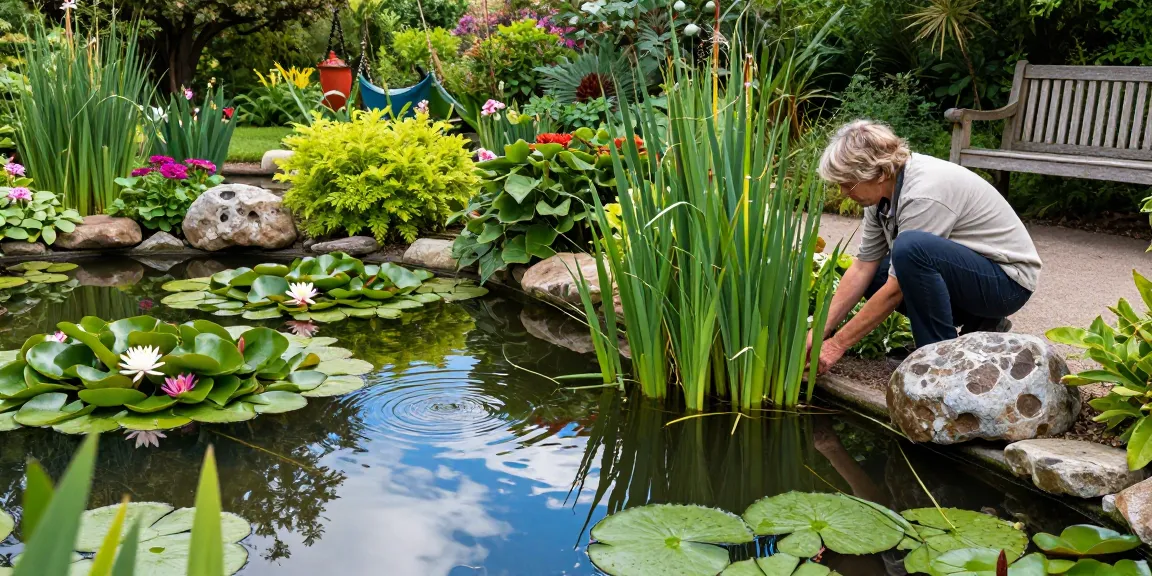
- Regular Pruning: Remove dead or yellowing leaves and spent flowers to maintain tidiness and prevent decay in the water.
- Fertilization: Apply aquatic fertilizers as needed during the growing season to promote robust growth and flowering.
- Dividing and Repotting: Every few years, or when plants become overcrowded, divide water lilies to encourage healthier growth.
Water Lilies and Pond Ecosystems
Water lilies play a vital role in maintaining a balanced pond ecosystem. Their interactions with other organisms in the pond contribute to biodiversity and help regulate the aquatic environment.
The Role of Water Lilies in Aquatic Biodiversity
By providing shade, shelter, and a breeding ground for various aquatic species, water lilies enhance biodiversity within garden ponds. They also contribute to the overall aesthetic appeal of these ecosystems.
Interaction with Fish and Other Pond Life
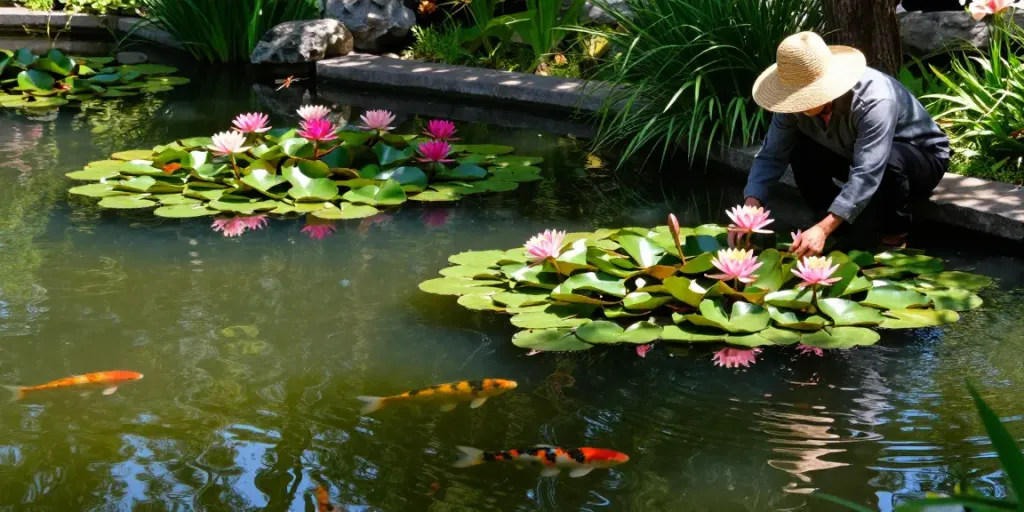
Fish and other aquatic creatures benefit from the shelter that water lilies provide. Their broad leaves offer resting spots for fish and protection from predators, enhancing the pond's health.
Combining Water Lilies with Other Aquatic Plants
Integrating water lilies with other native and ornamental plants can create a diverse and beautiful aquatic garden. This mix encourages a thriving ecosystem where various species cohabit and support one another.
Addressing Common Challenges with Water Lilies
While water lilies are relatively low-maintenance, various challenges can arise. Understanding these issues and their remedies can ensure the longevity of your water lilies and overall pond health.
Dealing with Pests and Diseases
Water lilies may sometimes attract pests such as aphids or water lily beetles. Regular inspection and natural pest control methods, like introducing beneficial insects, can help manage these challenges. Additionally, maintaining water quality will reduce the likelihood of disease.
What to Do If Your Water Lilies Aren't Flowering
Several factors can impact flowering, including insufficient sunlight, overcrowding, or improper planting depth. Ensuring your water lilies are correctly positioned and given adequate sunlight can often lead to more prolific blooms.
Seasonal Care: Preparing for Winter and Spring
In colder climates, water lilies may die back during winter, but their rhizomes typically survive below the frost line. In spring, they will re-emerge as temperatures rise. Providing protection during harsh winters can help ensure their survival.
Can water lilies grow in water only?
Water lilies cannot thrive in pure water; they require a substrate, such as aquatic compost, to anchor their rhizomes and supply necessary nutrients.
Do water lilies come back each year?
Yes, most water lilies are perennial, meaning they come back year after year, provided their rhizomes remain healthy during winter.
Where do water lilies grow best?
Water lilies prefer calm, shallow waters with plenty of sunlight. They are ideally suited for garden ponds that receive direct sunlight for several hours a day.
Why are water lilies important for ponds?
Water lilies are crucial for maintaining the ecological balance within ponds. They provide shade, reduce algae growth, offer habitat for wildlife, and improve water quality.
How to propagate water lilies effectively?
Water lilies can be propagated by dividing the rhizomes. Each segment should have a growing point and a few roots to encourage successful planting.