1. What is a Dentist?
1.1 Definition and Specializations
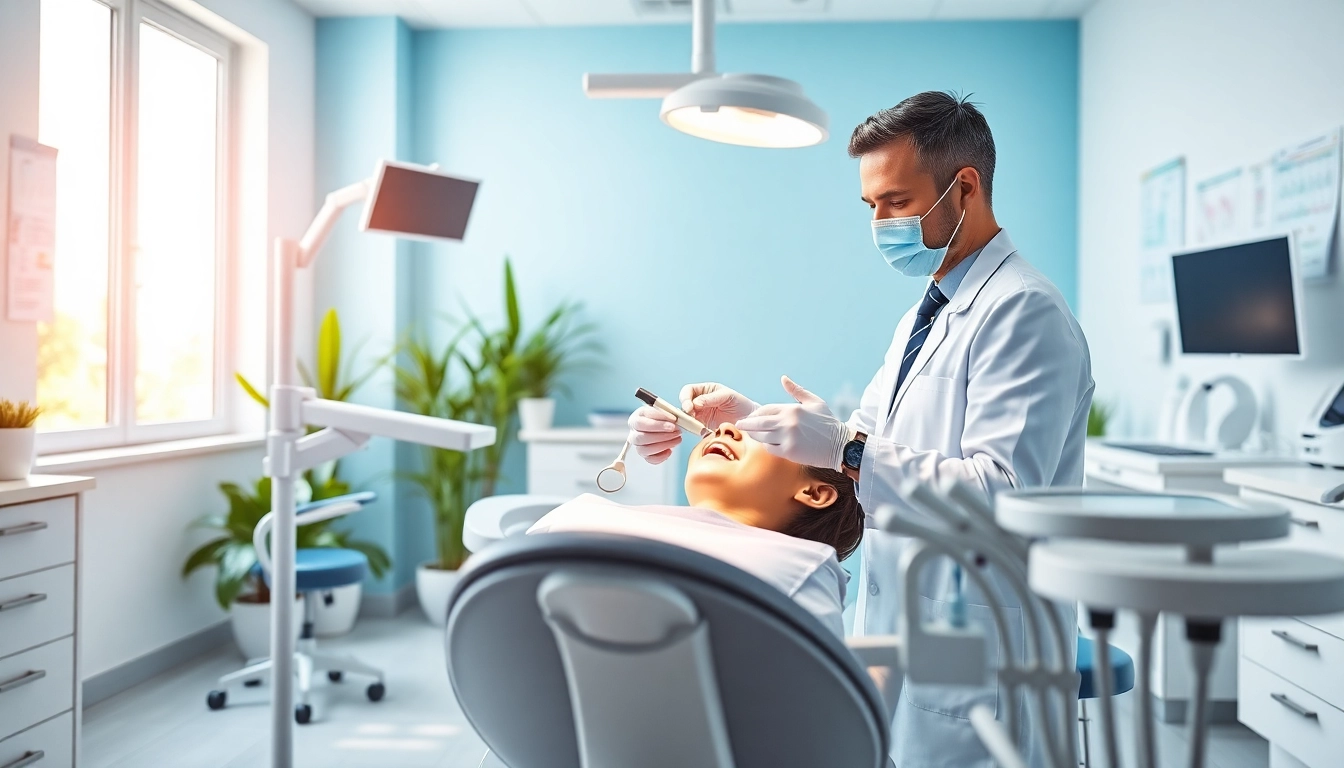
A Dentist is a health care professional who specializes in oral health. Their primary role encompasses diagnosing and treating a variety of conditions and diseases related to the teeth, gums, and mouth. Dentists can have various specializations, such as orthodontics (focusing on teeth alignment), endodontics (root canal treatment), pediatric dentistry (working specifically with children), periodontics (treating gum disease), and oral surgery (surgical interventions in the mouth). Each specialty requires additional training and certification, allowing dentists to deliver specialized care tailored to their patients' unique needs.
1.2 Education and Training Requirements
Becoming a dentist requires a significant educational commitment. The journey typically starts with a bachelor's degree, focusing on sciences such as biology, chemistry, and physics. Following undergraduate education, individuals must attend dental school, which lasts an additional four years and culminates in a Doctor of Dental Surgery (DDS) or Doctor of Dental Medicine (DMD) degree. After dental school, aspiring dentists may pursue further specialization through residency programs, gaining hands-on experience in their chosen field. Continuous education is crucial in dentistry, as advancements in technology and techniques necessitate staying current with new developments in the field.
1.3 Importance of Dental Health
The significance of dental health extends far beyond maintaining a bright smile. Oral health is closely linked to overall well-being, with numerous studies indicating connections between oral health problems and systemic diseases such as heart disease, diabetes, and respiratory issues. Regular visits to a dentist are fundamental in preventing dental diseases, addressing issues before they escalate, and promoting habits that encourage long-lasting oral health. Considering that many conditions, like oral cancer or gum disease, can progress painlessly, proactive dental care is essential for maintaining not only oral health but overall health as well.
2. Services Offered by Dentist
2.1 Preventive Care and Cleanings
Preventive care is the cornerstone of dental services, aimed explicitly at minimizing the risk of mouth-related diseases and conditions. This includes routine cleanings, fluoride treatments, and oral examinations, which are typically recommended every six months. During these visits, dentists assess the overall health of teeth and gums, remove plaque and tartar buildup, and educate patients on effective at-home oral hygiene practices. Preventive care is designed to head off problems before they manifest, significantly reducing the risk of more complex and costly treatments later.
2.2 Cosmetic Dentistry Options
Cosmetic dentistry has gained popularity as patients increasingly seek to enhance the aesthetics of their smiles. Treatment options in this domain include teeth whitening, veneers, bonding, and crowns. These procedures aim to improve the coloration, alignment, and overall appearance of teeth, significantly impacting a person’s confidence and self-esteem. Additionally, advances in technology have made cosmetic procedures more accessible and effective, allowing for durable solutions with minimal discomfort.
2.3 Emergency Dentistry and Treatments
Dental emergencies can happen at any time, from a sudden toothache to an injury resulting in tooth loss. Emergency dental services are designed to address these urgent issues promptly, often outside of regular office hours. Dentists trained in emergency care can perform immediate treatments such as dental extractions, repairs to broken teeth, and managing severe pain. Having access to such services underscores the importance of finding a dentist who can accommodate urgent situations, ensuring that patients receive the care they need when it matters most.
3. How to Choose the Right Dentist
3.1 Factors to Consider When Selecting
Choosing the right dentist is a crucial decision that can affect a patient's overall oral health experience. Factors to consider include location, the range of services offered, and the dentist's qualifications. Additionally, compatibility with the dentist's approach to care is essential; patients should feel comfortable discussing their concerns and should receive comprehensive explanations about their treatment options. Scheduling a consultation can provide insight into a dentist's communication style and the office environment, which are vital elements in establishing a positive patient-dentist relationship.
3.2 Importance of Reviews and Recommendations
Reviews and personal recommendations play a significant role in selecting a dental provider. Today's patients tend to research potential dental offices online, looking for testimonials, ratings, and insights from others’ experiences. Positive feedback can indicate a dentist's reliability, transparency, and the quality of care expected. In contrast, consistent negative feedback can signal red flags. Furthermore, direct recommendations from friends, family, or healthcare professionals can lead individuals to trustworthy practitioners who have proven their competence.
3.3 Cost and Insurance Considerations
Cost and insurance coverage are vital factors when selecting a dentist. Dental care costs vary widely depending on region, provider, and the complexity of the treatment required. Understanding what your insurance plan covers and the in-network dentists that accept your policy is essential in making informed financial decisions. Additionally, potential patients should inquire about payment plans or financing options that may be available to manage out-of-pocket costs effectively.
4. Oral Health Best Practices from a Dentist
4.1 Daily Dental Care Routine
Establishing a daily dental care routine is foundational in achieving and maintaining optimal oral health. Dentists recommend brushing teeth twice a day with fluoride toothpaste to effectively remove plaque, alongside flossing daily to eliminate food particles and plaque buildup between teeth. Incorporating an antibacterial mouthwash can further aid in reducing oral bacteria. Additionally, patients should be reminded to replace their toothbrush every three months or sooner if the bristles are frayed, as an old toothbrush may not effectively clean teeth.
4.2 Nutrition and Its Impact on Dental Health
Nutrition plays a critical role in maintaining dental health. A balanced diet comprising fruits, vegetables, lean proteins, and whole grains provides essential nutrients that support oral health. Restricting sugary snacks and drinks helps lower the risk of developing cavities and promotes healthier teeth and gums. Foods rich in calcium, such as dairy products, are beneficial for strengthening enamel, while crunchy fruits and vegetables can help clean teeth naturally. Encouraging patients to make thoughtful dietary choices can lead to better overall oral health outcomes.
4.3 Periodic Check-ups and Their Benefits
Regular dental check-ups offer numerous benefits beyond the routine cleaning of teeth and gums. These visits allow dentists to monitor oral health, catch potential issues early, and provide preventative care. Many conditions, such as gum disease or oral cancers, can be asymptomatic in the early stages. Therefore, undergoing semi-annual examinations can significantly increase the chances of detecting problems early, leading to more effective treatment and better health outcomes. Dentists often tailor their recommendations based on individual health history and risk factors to optimize patient care.
5. Future of Dentistry and Emerging Trends
5.1 Technological Advancements in Dentistry
The landscape of dentistry is rapidly evolving due to ongoing technological advancements. Innovations such as digital imaging, 3D printing, and computer-assisted design/prototyping (CAD/CAM) are revolutionizing how dentists diagnose and treat patients. Digital impressions not only improve accuracy but also enhance patient experience by reducing the discomfort associated with traditional impression techniques. Additionally, advancements in laser dentistry allow for less invasive procedures with quicker recovery times, broadening treatment options for patients.
5.2 Teledentistry and Its Growing Importance
Teledentistry has emerged as a practical solution, particularly in response to the challenges presented by the COVID-19 pandemic. This model allows patients to connect with their dentists remotely for consultations, follow-up visits, or preliminary assessments. By leveraging technology, dentists can provide guidance and diagnostic services without the need for in-person visits initially. This remote approach increases accessibility for patients, especially those residing in underserved areas, and can create more efficient pathways for ongoing oral health monitoring.
5.3 Community and Global Health Initiatives
Community and global health initiatives focusing on oral health awareness are increasingly essential in addressing broader public health challenges. Campaigns promoting education about dental hygiene, preventive care, and access to dental services can significantly reduce oral health disparities. Collaborative efforts involving dental professionals, educators, and policymakers play a crucial role in enhancing community resilience against oral health issues. Additionally, initiatives aimed at improving access to dental care for disadvantaged populations can pave the way for healthier communities worldwide.