
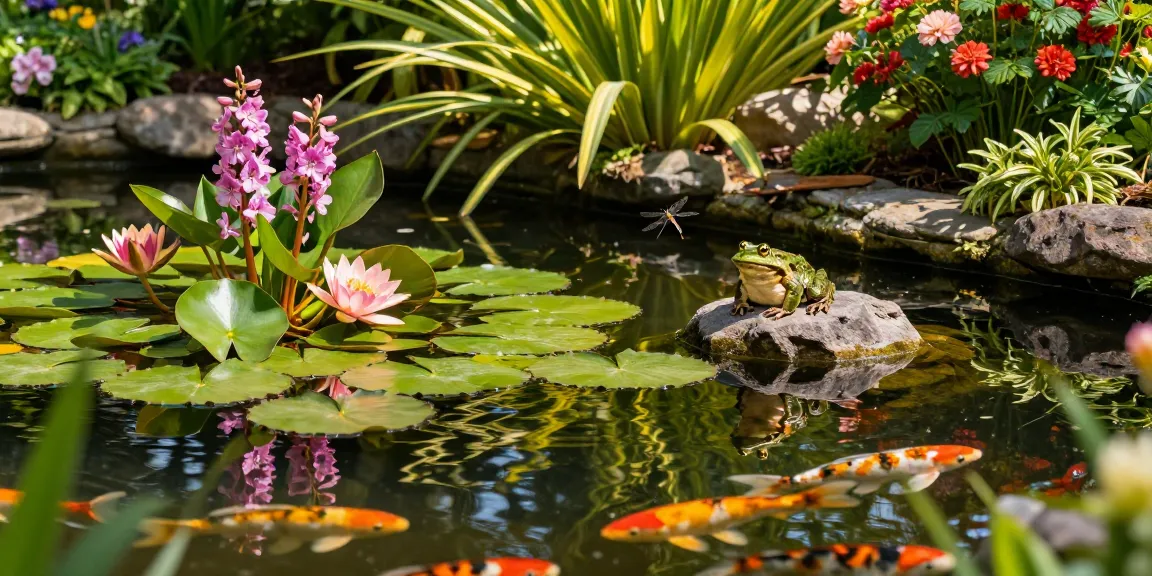
Understanding Pond Plants and Their Importance
Pond plants play a crucial role in maintaining the health and balance of aquatic ecosystems. They are not merely decorative elements; they serve various ecological functions that enhance the quality of both the water and the overall environment. Whether you are planning a small garden pond or a larger water feature, understanding the significance of Pond Plants is essential for creating a thriving aquatic habitat.
What Are Pond Plants?
Pond plants, also known as aquatic plants, are plants that grow in or near water bodies such as ponds, lakes, and wetlands. They can be categorized into three main types: floating, submerged, and emergent. Each type plays a specific role in the pond ecosystem. Floating plants, like water lilies, float on the surface and provide shade, while submerged plants, such as eelgrass, grow below the water and offer habitat for fish and invertebrates. Emergent plants, like cattails, grow at the water’s edge, creating a transition zone that supports both aquatic and terrestrial life.
The Role of Pond Plants in Aquatic Ecosystems
Pond plants contribute significantly to the ecosystem by facilitating processes such as oxygen production, nutrient cycling, and habitat provision. They produce oxygen through photosynthesis, which is vital for aquatic animals and helps maintain water quality. Additionally, they absorb nutrients from the water, which helps prevent algae overgrowth, a common issue in stagnant water bodies. By providing shelter and breeding grounds for various species, pond plants enhance biodiversity and ecological resilience.
Benefits of Incorporating Pond Plants into Your Garden
Integrating pond plants into your garden offers numerous benefits. Firstly, they enhance the aesthetic appeal of any water feature with their vibrant colors and varied textures. Secondly, they improve water quality by filtering pollutants and providing oxygen. Additionally, they create habitats for wildlife, attracting birds, frogs, and beneficial insects. Lastly, pond plants can help control water temperature and provide shade, creating a more stable environment for fish and other aquatic organisms.
Choosing the Right Pond Plants for Your Environment
Selecting the appropriate pond plants is essential for ensuring a healthy and thriving aquatic ecosystem. This process involves considering various factors such as climate, water quality, and specific pond characteristics.
Climate Considerations When Selecting Pond Plants
When choosing pond plants, the climate of your region is a critical factor. Some plants thrive in warmer climates, while others are suited for cooler environments. Understanding the hardiness zones relevant to your area can help you select plants that will adapt well to your specific conditions. For example, tropical species may flourish in southern regions, whereas hardy perennials are better suited for northern climates.
Types of Pond Plants: Floating, Submerged, and Emergent
As mentioned earlier, pond plants can be divided into three categories:
- Floating Plants: These plants, such as duckweed and water hyacinth, float on the water’s surface. They provide shade and help reduce algae growth.
- Submerged Plants: These are plants like hornwort and anacharis that grow entirely underwater. They are significant for oxygenation and serve as breeding grounds for aquatic organisms.
- Emergent Plants: Plants such as reeds and rushes that grow in shallow water at the pond’s edge. They stabilize the soil and provide habitats for various wildlife.
Understanding Plant Hardiness Zones for Successful Growth
Hardiness zones indicate the variety of plants that can survive in specific climatic conditions. Familiarizing yourself with the USDA Hardiness Zone Map can be immensely helpful in selecting pond plants tailored to your region. In general, plants that are native to the area tend to perform better than exotic species, as they are well-adapted to local conditions.
Common Challenges When Growing Pond Plants
While pond plants can significantly enhance your garden, they also face various challenges that may hinder their growth and health. Being aware of these challenges is crucial for effective pond management.
Addressing Algae Overgrowth: Causes and Solutions
Algae overgrowth is a common problem in ponds that can be exacerbated by nutrient-rich water and inadequate plant cover. To combat this, limit nutrient runoff into your pond by managing fertilizer use in surrounding areas. Incorporating more aquatic plants can also provide competition for nutrients, thus suppressing algae growth. If algae blooms occur, consider natural remedies such as barley straw or manually removing excess algae.
Water Quality Management for Healthy Pond Plants
Maintaining optimal water quality is essential for the health of pond plants. Common parameters to monitor include pH levels, dissolved oxygen, and nutrient concentrations. Regular water testing can help you identify imbalances that may hinder plant growth. Implementing a filtration system and regular water changes can also enhance water quality.
Dealing with Pests and Diseases Affecting Pond Plants
Pond plants can be susceptible to various pests and diseases, such as aphids and fungal infections. Regular monitoring and early intervention are crucial. Natural remedies, like introducing predatory insects or using neem oil, can provide effective pest control without harming the aquatic ecosystem. Proper spacing and pruning can also reduce the risk of fungal infections by improving air circulation around the plants.
Best Practices for Maintaining Pond Plants
Proper maintenance is critical to achieving a healthy and aesthetically pleasing pond. Following some best practices can ensure that your pond plants thrive throughout the seasons.
Seasonal Care Tips for Pond Plants
Seasonal changes require different care strategies for pond plants. In spring, focus on cleaning debris and replanting any dormant specimens. During the summer, monitor water levels due to evaporation and ensure adequate shading. In the fall, remove decaying plant matter to prevent nutrient buildup, and in winter, consider insulating sensitive plants or bringing them indoors if they are potted.
Water Maintenance: Filtration and Aeration Techniques
Maintaining clear and healthy water is essential for the wellbeing of your pond plants. A good filtration system can remove debris and harmful substances, while aeration helps increase oxygen levels in the water. Consider using aerators to ensure even distribution of oxygen and reduce stagnation, especially in warmer months.
Pruning and Propagation Methods for Healthy Growth
Regular pruning promotes healthy growth and prevents overcrowding in your pond. Trim dead or discolored leaves to encourage new growth and improve air circulation. Propagation can be achieved through methods like division or cuttings, allowing you to expand your aquatic garden without needing to purchase new plants.
Future Trends in Pond Plant Cultivation for 2026 and Beyond
As we look ahead, several trends are emerging in the field of pond plant cultivation that may significantly impact gardening practices and ecological sustainability.
Innovative Techniques for Sustainable Pond Gardening
Sustainable gardening practices are gaining popularity in pond management. Techniques such as integrating permaculture principles are being adopted, where the natural interactions between plants, animals, and the ecosystem are utilized. This approach not only enhances biodiversity but also promotes self-sustaining aquaculture.
Emphasizing Native Species for Biodiversity
There is a growing recognition of the importance of native plants in pond ecosystems. Native species are more resilient to local pests and diseases, making them easier to maintain. They can also provide essential habitat for local wildlife, supporting biodiversity in your area.
Leveraging Technology for Efficient Pond Management
Advancements in technology are poised to transform pond management practices. Tools like automated water quality sensors and drone monitoring systems can provide real-time data, allowing for more effective management strategies. Homeowners can leverage these technologies to ensure the health of their ponds and the plants within them.
What are the best pond plants for beginners?
For beginners, hardy plants like water lilies, floating hearts, and various types of rushes are excellent starting points. These plants are generally easy to maintain and resilient to changing conditions.
How often should I maintain my pond plants?
Regular maintenance should be performed at least once a month, while seasonal tasks may require more frequent attention. Keeping a close eye on plant health during peak growing seasons is essential.
Can I grow pond plants in containers?
Yes, many pond plants can thrive in containers. This method is particularly useful for small spaces or when you want to control the growth of certain species. Ensure that containers have drainage holes and use aquatic plant potting soil.
What are the signs of unhealthy pond plants?
Signs of unhealthy pond plants may include discoloration, stunted growth, and wilting leaves. Regular inspections will help you catch these issues early and implement necessary care.
How do I prevent invasive species in my pond?
Preventing invasive species involves careful monitoring and management. Avoid introducing non-native plants into your pond and regularly check for any signs of invasive growth, removing them promptly to maintain ecological balance.


