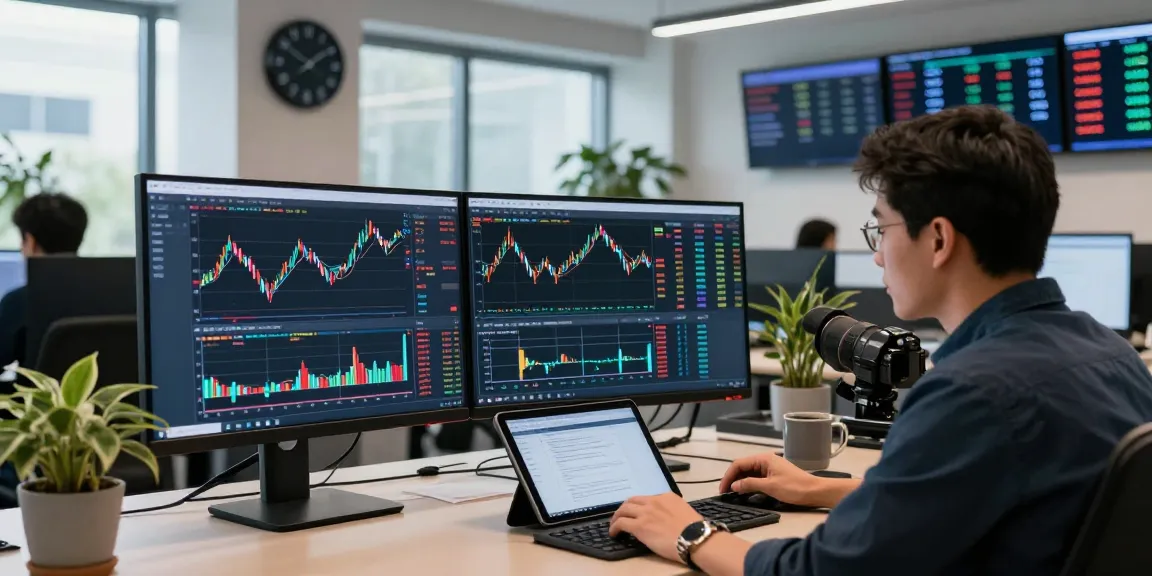
Understanding Real-Time Pricing and Data Push Technology
The advent of blockchain technology has revolutionized the financial industry, paving the way for innovative solutions in trading and data management. Central to this transformation is the concept of real-time pricing, which allows traders to receive instantaneous market data and adjust their strategies accordingly. Real-time pricing is not just important in cryptocurrency trading but spans across various asset classes including stocks, forex, and commodities. Utilizing technologies such as WebSocket for 实时报价推送 facilitates a seamless flow of data, amplifying trading efficiency and reducing latency in execution.
What is Real-Time Pricing in Cryptocurrency?
Real-time pricing in cryptocurrency refers to the immediate availability of prices at which digital assets are traded. This is essential for traders to make informed decisions based on the most current market conditions. Unlike traditional stock exchanges that may experience delays due to batch processing and centralized control, cryptocurrency markets operate 24/7, showcasing continuous price changes influenced by supply, demand, and market sentiment. The capacity to access live data feeds ensures that traders can respond to price fluctuations, ultimately enhancing potential profit margins.
How WebSocket Technology Works
WebSocket technology provides a lightweight, full-duplex communication protocol over a single TCP connection, allowing real-time data transmission between clients and servers. When a trader connects to a market data provider via WebSocket, they can subscribe to specific data channels, receiving updates instantly as market events occur. This structured communication is particularly beneficial for executing high-frequency trading strategies where milliseconds can make a difference. Compared to traditional methods like REST APIs that rely on periodic polling, WebSocket connections reduce latency and bandwidth consumption, providing a constant stream of data.
Comparison: WebSocket vs. REST for Data Delivery
Both WebSocket and REST technologies have their merits when considering data delivery systems. REST APIs operate using a request-response model where clients request data and the server responds, leading to potential delays in receiving updates. In contrast, WebSocket connects clients to a server, allowing for real-time notifications. This capability is especially critical in markets where conditions can change in seconds. A hybrid approach often utilizes REST to fetch initial data and WebSocket for subsequent updates, ensuring that applications remain fast and responsive.
Benefits of Real-Time Quotes for Traders
Advantages of Implementing Real-Time Data
The implementation of real-time data provides numerous advantages for traders. Firstly, it enhances decision-making capabilities, allowing for fast reactions to market changes. This immediacy can lead to optimized trading strategies where traders can capitalize on price discrepancies across various exchanges, commonly known as arbitrage opportunities. Additionally, real-time data improves risk management, helping traders set stop-loss orders that align closely with current market trends, ultimately mitigating potential losses.
How Real-Time Quotes Impact Trading Strategies
Real-time quotes significantly influence trading strategies by allowing traders to adopt techniques like scalping and day trading, where timing is crucial. With the ability to see live changes in price and volume, traders can execute trades at optimal moments. Moreover, analytical tools are more effective with real-time data, as indicators derived from past information may not accurately reflect the ongoing market climate, leading to more informed and profitable trading decisions.
Case Studies: Successful Crypto Trading with Real-Time Data
Numerous traders have successfully implemented real-time data solutions to maximize their investment returns. For example, one case involved a crypto trader who utilized WebSocket technology to monitor price fluctuations across multiple exchanges. By executing trades within seconds of price changes, they achieved an impressive ROI compared to previous months spent relying on delayed data. Such case studies highlight the fundamental shift towards needing real-time information in achieving competitive advantages in trading.
Integrating Real-Time Data into Trading Systems
Steps to Implement WebSocket for Real-Time Streaming
Integrating WebSocket for real-time data streaming involves several steps. Initially, traders must identify a reliable market data provider capable of delivering real-time feeds. Once a provider is selected, developers must establish WebSocket connections within their applications, enabling them to subscribe to various data channels. Moreover, handling message parsing is crucial to effectively interpret and react to the data received, and efficient error handling mechanisms will guarantee stability and connection resilience.
Developing Applications for Real-Time Data Use
When building applications that leverage real-time data, developers need to focus on key elements such as performance optimization and user interface responsiveness. Efficient data handling and rendering on the frontend can significantly enhance user experience. Incorporating analytics features that allow traders to visualize market trends in real time can also add considerable value to trading applications.
Common Integration Challenges and Solutions
Integration of real-time data into existing systems presents numerous challenges, including network latency, data integrity, and security concerns. Addressing latency issues mandates the selection of reliable infrastructure and possibly using dedicated servers that minimize distance to exchange endpoints. To maintain data integrity, implementing robust validation protocols ensures that traders receive accurate information. Finally, securing data transmission through encryption and adhering to security protocols safeguards sensitive trading strategies against potential cyber threats.
Ensuring Data Security and Compliance
Importance of Security in Real-Time Data Feeds
Securing real-time data feeds is paramount in the cryptocurrency space due to the high stakes involved in digital asset trading. Any breach can lead to significant losses for both users and the trading platform. Employing encryption methods such as Secure WebSocket (WSS) to protect data in transit can mitigate risks, while regular audits and compliance checks help address vulnerabilities that may arise from recent technological advancements.
Regulatory Compliance for Cryptocurrency Data Providers
As the cryptocurrency landscape evolves, regulatory compliance becomes increasingly essential. Data providers must adhere to frameworks set forth by financial authorities such as the SEC and CFTC in the U.S., which govern securities and derivatives trading. Additionally, the European Union's MiCA regulations aim to bring clarity to the obligations of crypto service providers, ensuring they meet necessary legal standards and consumer protections.
Protecting User Data in Real-Time Trading Applications
User data protection in real-time trading applications requires a combination of secure coding practices and adherence to data privacy regulations like GDPR. Implementing measures such as two-factor authentication (2FA) enhances account security, while minimal data collection policies ensure that only essential user information is stored, thus reducing the impact of potential data breaches.
Future Trends in Real-Time Pricing and Trading Technology
Emerging Technologies in Cryptocurrency Data Delivery
The future of real-time pricing and trading technologies in cryptocurrency is poised for significant advancements. Innovations such as Layer-2 scaling solutions promise to improve transaction speeds and lower costs, making it easier for decentralized finance (DeFi) applications to scale effectively. Furthermore, developments in artificial intelligence and machine learning analytics are expected to enhance predictive modeling and trading algorithms, providing insights that further optimize trading performance.
Predictions for the Future of Crypto Trading
Future cryptocurrency trading environments will likely focus heavily on interoperability among blockchains. Cross-chain solutions and dedicated protocols will enable seamless asset transfers across different networks, broadening trading opportunities while fostering a more integrated market ecosystem. Additionally, as institutional participation in the crypto space grows, the demand for sophisticated tools that offer real-time insights and robust data analysis will continue to rise.
Innovations in Decentralized Trading Platforms
Decentralized trading platforms present notable innovations by enabling peer-to-peer trading without the need for intermediaries. These platforms often utilize automated market makers (AMMs) to provide liquidity efficiently. Future iterations are expected to incorporate even more innovative features, including gamification elements that incentivize user participation and enhance user engagement.
What are the advantages of using WebSocket for real-time data?
Using WebSocket for real-time data offers various advantages including low latency, resource efficiency, and simplicity in establishing persistent connections between clients and servers. These characteristics create an ideal environment for trading applications that demand timely data delivery and responsive interactions.
How does real-time pricing influence trading decisions?
Real-time pricing impacts trading decisions by empowering traders to react instantaneously to market conditions. Access to live data allows them to leverage pricing trends and momentum shifts, enhancing decision-making capabilities and improving overall trade results.
What security measures should be taken for cryptocurrency transactions?
To safeguard cryptocurrency transactions, security measures such as secure private key storage, enabling two-factor authentication, utilizing hardware wallets, and conducting regular security audits are critical. Additionally, being cautious of phishing schemes and ensuring platforms have protocol measures in place helps mitigate risks.
How can I integrate real-time data into my trading system?
Integrating real-time data involves selecting a reliable data provider, implementing data feed protocols (like WebSocket), and ensuring your application can parse and act on incoming data swiftly. Establishing strong error handling procedures protects against disconnections and data loss.
What are the risks associated with cryptocurrency trading?
Risks associated with cryptocurrency trading include market volatility, potential for loss due to price fluctuations, security vulnerabilities, and regulatory uncertainties. Evaluating these factors and adopting sound risk management practices, such as portfolio diversification and stop-loss strategies, can help mitigate these risks.