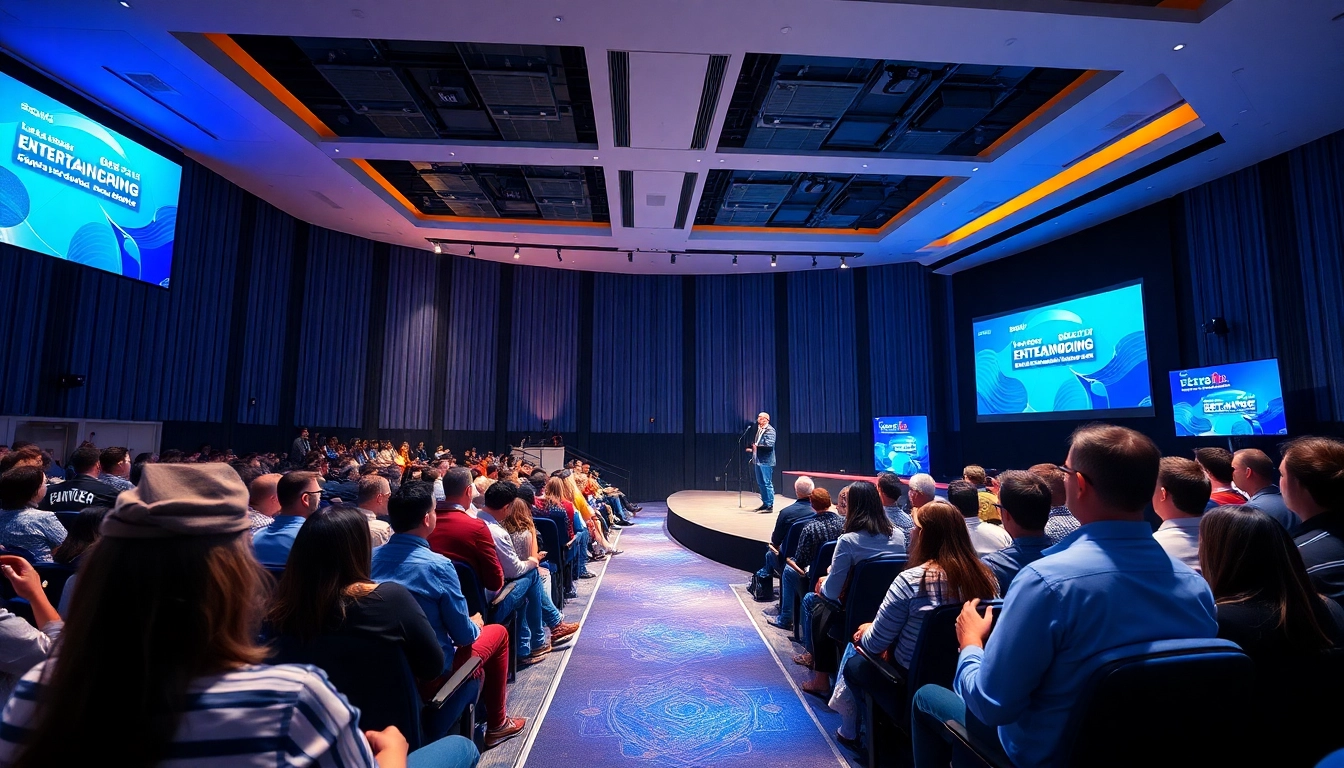
Understanding Entertainment Branding
In today's rapidly evolving entertainment landscape, the significance of branding cannot be underestimated. As audiences become more discerning and media consumption habits shift, businesses must adapt their branding strategies to remain relevant and engaging. This article explores the intricate world of entertainment branding, delving into its definition, importance, and the challenges that brands will face in 2025. By understanding these concepts, brands can cultivate their identities effectively and foster lasting connections with their audiences. For more insights on branding in the entertainment industry, visit https://kjc365.com/.
What is Entertainment Branding?
Entertainment branding refers to the strategic process of shaping the perception of entertainment entities—such as films, music, events, and celebrities—in the minds of consumers. It encompasses the creation and management of brand identities, logos, messaging, and overall visual aesthetics that resonate with the target audience. Effective entertainment branding not only distinguishes a brand from its competitors but also fosters a sense of loyalty and community among fans.
The Importance of Branding in the Entertainment Industry
Branding plays a critical role in the entertainment industry for several reasons:
- Audience Engagement: A strong brand identity engages audiences on an emotional level, increasing loyalty and participation.
- Market Differentiation: In a crowded marketplace, branding helps distinguish one entity from another, enhancing visibility and recognition.
- Revenue Generation: Well-branded events and content can command higher ticket prices and attract more sponsorship opportunities.
As consumers seek authentic experiences, brands must find innovative ways to connect and resonate with their audience's values and aspirations.
Challenges Faced by Brands in 2025
In 2025, brands in the entertainment industry will face numerous challenges, including:
- Rapid Technological Advances: Keeping pace with evolving technology and platforms for content distribution will be imperative.
- Changing Consumer Behavior: As the preferences of younger audiences shift, brands must tailor their approaches to meet these evolving expectations.
- Increased Competition: The entry of new players into the market will intensify competition, making it crucial for brands to stand out.
Key Components of a Successful Branding Strategy
Identifying Your Target Audience
Understanding the demographics, psychographics, and media consumption habits of your target audience is essential. Brands that accurately identify and understand their audiences can tailor their marketing efforts more effectively, increasing engagement and conversion rates. Engaging in comprehensive market research can provide invaluable insights into your audience's preferences and needs.
Crafting a Unique Brand Message
A brand's message encapsulates its values, mission, and the unique proposition it offers to consumers. In the entertainment industry, a distinctive brand message can create a powerful emotional connection with the audience. Brands should focus on authenticity and relatability to engage their audiences meaningfully.
Utilizing Social Media Platforms Effectively
Social media is an indispensable tool for entertainment branding. Platforms like Instagram, TikTok, and Twitter allow brands to engage with audiences in real time and showcase unique content. Creating shareable content and leveraging user-generated content can enhance brand visibility and encourage deeper connections with fans.
Innovative Techniques for Brand Engagement
Creating Interactive Experiences
Interactive experiences, such as virtual reality (VR) and augmented reality (AR), offer innovative ways for brands to engage audiences. These experiences can provide fans with immersive content that enhances their connection to the brand, turning passive viewers into active participants.
Leveraging Influencer Marketing
Influencer marketing continues to be a potent strategy for entertainment branding. By collaborating with influencers who align with brand values and resonate with target audiences, brands can tap into established communities and leverage authentic endorsements to reach broader audiences.
Utilizing Data Analytics for Targeted Campaigns
Data analytics allows brands to gain insights into consumer behavior and preferences, enabling more personalized marketing campaigns. By leveraging data, brands can optimize their strategies, ensuring they deliver the right message to the right audience at the right time.
Case Studies of Successful Entertainment Brands
Analysis of Brand Strategies in 2025
In examining successful entertainment brands, one can identify common strategies that drive success. For instance, brands that have embraced an omnichannel presence and maintained consistent messaging across various platforms have seen significant growth. A well-executed branding strategy can help foster community and keep audiences engaged, even amidst shifting consumer behaviors and preferences.
Lessons from Leading Brands
By studying leading brands, emerging entities can learn valuable lessons about brand positioning, audience engagement, and differentiation. For example, brands that effectively leverage storytelling in their marketing create emotional connections that resonate with audiences, enhancing brand loyalty.
How to Apply These Insights to Your Branding
Emerging brands should take inspiration from successful case studies and apply their learnings to their own strategies. Emphasizing authenticity, investing in audience engagement, and utilizing technology can offer new pathways to success in a competitive landscape.
Measuring Brand Success and Impact
Identifying Key Performance Indicators
Measuring brand success begins with identifying relevant key performance indicators (KPIs). These can include metrics such as brand awareness, audience engagement rates, and conversion rates. By tracking these metrics, brands can assess their performance and make informed decisions moving forward.
Tools for Measuring Brand Perception
Various tools are available to measure brand perception, such as social listening platforms, surveys, and customer feedback mechanisms. These tools can help brands gain insights into how their audience perceives their identity, allowing them to adjust strategies accordingly.
Future Trends in Brand Measurement
As technology continues to evolve, brands will have access to more sophisticated tools for measuring brand success. Emerging technologies like artificial intelligence (AI) and machine learning will enable brands to analyze consumer data at unprecedented levels, leading to more effective branding strategies in the future.
In conclusion, the landscape of entertainment branding is both challenging and exciting. Brands that focus on understanding their audiences, crafting unique messages, and leveraging innovative techniques will thrive in an increasingly competitive environment. As we move forward into 2025, embracing these principles will be key to achieving lasting impact and success. For further exploration of strategies and methods in entertainment branding, check out KJC RR88.