- Understanding the Manhattan Construction Manager Role
- Navigating the Unique Challenges in Manhattan Construction
- Best Practices for Effective Project Management
- Key Performance Metrics for Manhattan Construction Managers
- Future Trends in Manhattan Construction Management
- FAQs about Manhattan Construction Management
Understanding the Manhattan Construction Manager Role
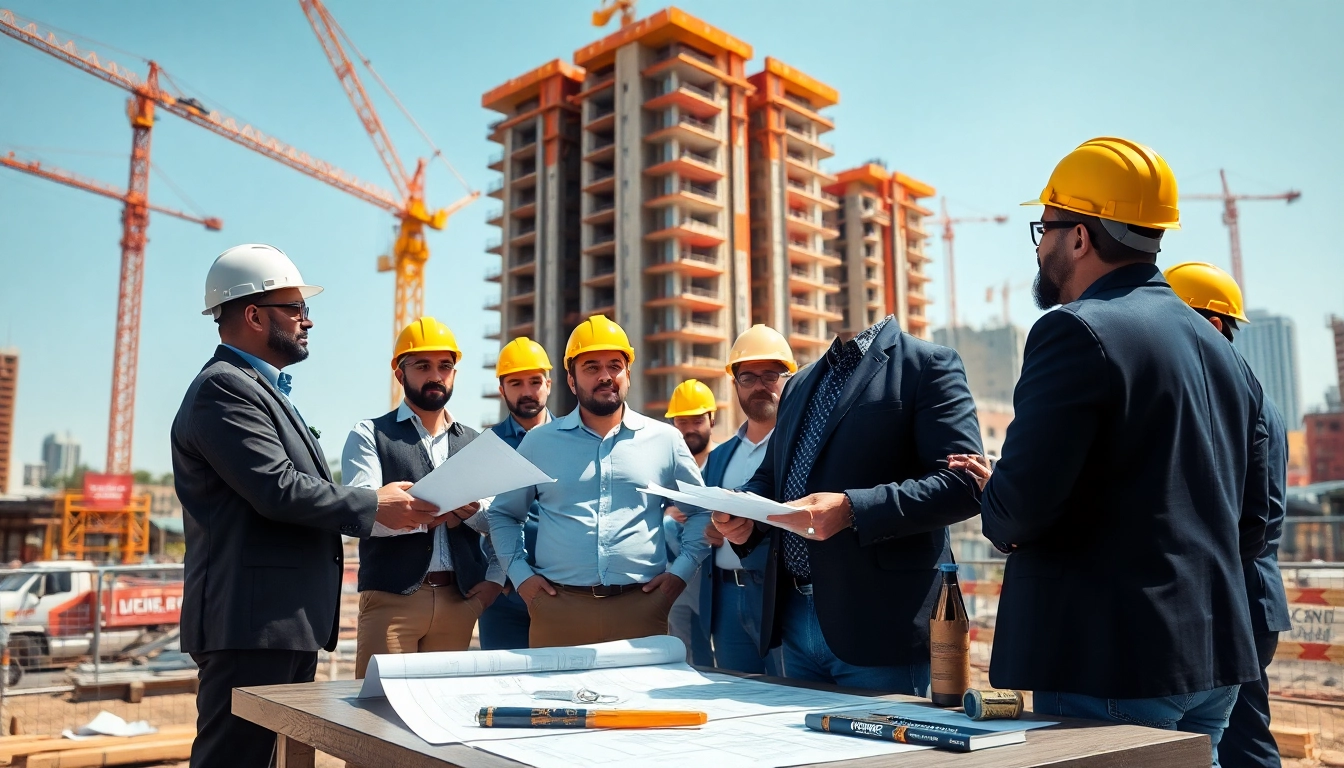
The role of a Manhattan Construction Manager is both demanding and rewarding, requiring a deep understanding of the construction process within one of the most dynamic urban environments in the world. From overseeing large-scale projects to ensuring compliance with local regulations, this position plays a pivotal role in shaping Manhattan’s skyline and infrastructure. As cities continue to grow and evolve, the demand for skilled construction managers becomes even more critical.
Key Responsibilities of a Manhattan Construction Manager
A Manhattan Construction Manager is tasked with a range of responsibilities that can best be understood through the lens of project lifecycle management. Here are some fundamental responsibilities:
- Project Planning: Developing detailed project plans that align with client objectives, budget constraints, and local regulations.
- Resource Management: Allocating and managing resources effectively, including manpower, materials, and equipment, to meet deadlines.
- Contract Negotiation: Negotiating contracts with subcontractors and suppliers to ensure compliance with project specifications.
- Quality Control: Implementing quality assurance processes to ensure high standards of workmanship throughout the project.
- Risk Management: Identifying potential risks to project timelines or budgets and developing strategies to mitigate them.
Essential Skills for Effective Management
In addition to technical knowledge, a Manhattan Construction Manager must possess a variety of soft skills to navigate the complexities of urban construction. Important skills include:
- Leadership: The ability to inspire and guide teams towards achieving project goals while maintaining high morale.
- Problem-Solving: Critical thinking skills to address unforeseen challenges that may arise during construction.
- Technical Knowledge: A strong understanding of construction methods, materials, and technologies.
- Communication: The capacity to clearly convey information to clients, stakeholders, and team members to keep everyone aligned.
- Negotiation: Strong negotiation skills to arrive at mutually beneficial agreements with suppliers and subcontractors.
The Importance of Communication in Construction
Effective communication is often touted as the linchpin of successful construction management. In Manhattan’s fast-paced construction environment, maintaining clear lines of communication is not only essential but can also significantly influence project outcomes. Regular meetings, concise reporting, and the use of digital communication tools can enhance collaboration among all stakeholders.
Navigating the Unique Challenges in Manhattan Construction
Building in New York City presents unique challenges due to its dense population, complex regulatory landscape, and ever-present logistical issues. A Manhattan Construction Manager must adeptly navigate these obstacles to ensure project success.
Regulatory Compliance and Zoning Laws
Compliance with zoning laws and regulations is perhaps one of the most daunting aspects of construction in Manhattan. Properly understanding these regulations is essential for ensuring that projects are completed legally and efficiently. A Manhattan Construction Manager must work closely with city officials and urban planners to keep abreast of any changes in regulations that could impact projects.
Managing Urban Logistics and Schedules
Urban logistics can often pose significant challenges, including the movement of equipment and materials through crowded streets. A skilled Manhattan Construction Manager must implement effective scheduling tactics, ensuring that deliveries occur during off-peak hours to minimize disruptions. Additionally, coordinating with various city agencies is crucial to navigating street closures, permits, and utility relocations.
Safety Protocols in Dense Environments
With the inherent risks involved in construction, maintaining safety is paramount. In densely populated areas like Manhattan, safety protocols must be strictly adhered to. A Manhattan Construction Manager should ensure that all team members and subcontractors receive continual safety training and are provided with necessary protective equipment. Regular safety audits and assessments further contribute to a secure work environment.
Best Practices for Effective Project Management
Effective project management can mean the difference between a successful build and a costly failure. Implementation of best practices is essential for achieving project goals and ensuring client satisfaction.
Utilizing Technology for Project Tracking
In the age of digital technology, leveraging project management tools can significantly enhance tracking and efficiency. Software applications can facilitate budget tracking, schedule management, and resource allocation. Tools like Building Information Modeling (BIM) can also provide an integrated approach to project visualization and coordination among teams, reducing errors and rework.
Budget Management Techniques for Projects
Effective budget management requires discipline and foresight. A Manhattan Construction Manager should adopt techniques such as detailed cost estimating, value engineering, and continuous financial monitoring to maintain project profitability. Transparent communication with clients regarding budgetary issues can also foster trust and allow for quick resolution of any financial challenges.
Fostering Team Collaboration and Morale
In construction, collaboration among various teams can significantly boost morale and productivity. A Manhattan Construction Manager can encourage collaboration by promoting open communication, recognizing achievements, and providing opportunities for professional development. Additionally, team-building activities can strengthen relationships and improve overall performance on-site.
Key Performance Metrics for Manhattan Construction Managers
Performance metrics are invaluable for assessing the effectiveness of construction management processes. For a Manhattan Construction Manager, tracking the right key performance indicators (KPIs) can provide insights into project health and operational efficiency.
Trackable Milestones in Project Development
Establishing clear milestones allows project managers to measure progress against predetermined timelines. Milestones can include completion of specific phases, inspections, and client approvals. Regularly reviewing these milestones can help identify potential delays early and allow for corrective action.
Evaluating Efficiency and Budget Adherence
Analyzing efficiency and budget adherence metrics involves comparing actual costs and timelines against initial projections. Metrics such as cost variance and schedule variance highlight areas where project management may need adjustment. This analysis is crucial in fine-tuning future project planning and execution strategies.
Understanding Client Satisfaction Metrics
Client satisfaction is a key indicator of project success. Conducting post-project surveys can provide valuable data on client experiences, helping construction managers understand areas of strength and those requiring improvement. Responsiveness, quality of work, and communication are often critical aspects influencing client satisfaction.
Future Trends in Manhattan Construction Management
As the construction landscape evolves, so do the trends that shape it. Awareness of upcoming trends is vital for any Manhattan Construction Manager aiming to remain competitive and relevant.
Sustainable Practices in Urban Construction
Sustainability is becoming a core focus in urban construction. Initiatives aimed at reducing carbon footprints and improving energy efficiency are gaining traction. Implementing green building practices, such as using sustainable materials and technologies, not only meets client demand but can also yield long-term cost savings and enhance the project’s marketability.
Emerging Technologies Impacting the Industry
Innovative technologies such as artificial intelligence, drones, and augmented reality are beginning to play a significant role in construction management. These technologies enhance site monitoring, design visualization, and data collection capabilities. Staying informed about emerging technologies allows Manhattan Construction Managers to maintain an edge in project execution and efficiency.
The Shift Towards Remote Management Solutions
The COVID-19 pandemic accelerated a shift towards remote management solutions in many industries, including construction. Utilizing cloud-based project management tools fosters flexibility and enhances communication among remote and on-site teams. As this trend continues, embracing new technology will be crucial for maintaining productivity and collaboration.
FAQs about Manhattan Construction Management
What qualifications should a Manhattan Construction Manager have?
A Manhattan Construction Manager typically should hold a degree in construction management, engineering, or a related field, along with relevant certifications and substantial experience in construction projects.
How do construction managers ensure safety on-site?
Construction managers ensure safety by enforcing strict safety protocols, conducting regular training sessions, and performing routine safety audits to mitigate risks in the work environment.
What are critical skills for success in this role?
Successful Manhattan Construction Managers possess strong leadership, problem-solving abilities, effective communication, negotiation skills, and a comprehensive understanding of construction processes and materials.
How is project success measured?
Project success is measured through several key indicators, including meeting deadlines, adherence to budget, quality of work, and overall client satisfaction with the final deliverable.
What is the role of technology in modern construction management?
Technology enhances construction management through improved project tracking, better resource allocation, streamlined communication, and enhanced safety protocols, leading to more efficient project outcomes.