Understanding Cooker Hoods and Their Importance
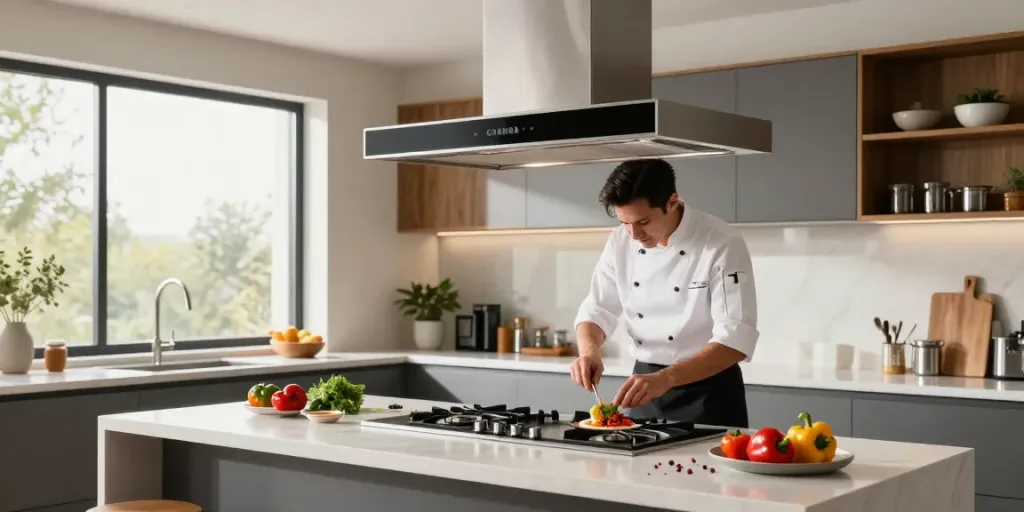
In the realm of modern kitchens, the cooker hood serves a pivotal role in ensuring a clean and healthy cooking environment. These essential appliances not only expel smoke and unpleasant odors but also enhance the overall air quality in your kitchen. Understanding the functionality, benefits, and various types of cooker hoods is crucial for anyone looking to optimize their cooking space and improve kitchen efficiency.
What is a Cooker Hood?
A cooker hood, also known as an exhaust hood or range hood, is a device installed above a stove or cooktop to ventilate cooking fumes, odors, smoke, and heat. It usually houses a fan that can either vent air to the outside or recirculate it within the kitchen, filtering unwanted particles through charcoal or grease filters. In essence, it helps maintain a pleasant cooking atmosphere by removing contaminants from the air.
How Does a Cooker Hood Work?
Cooker hoods operate using two primary mechanisms: ventilation and filtration. Vented cooker hoods expel air outside your home through ductwork, while recirculating cooker hoods filter the air and send it back into the kitchen. This makes recirculating hoods a perfect choice for homes where ducting is infeasible. Most modern cooker hoods come equipped with multiple fan speeds, allowing users to adjust extraction power based on cooking intensity.
The Benefits of Installing a Cooker Hood
Installing a cooker hood comes with a multitude of benefits:
- Improved Air Quality: By eliminating smoke, grease, and odors, cooker hoods contribute to healthier kitchen air.
- Enhanced Kitchen Comfort: They help control heat, making the cooking environment more comfortable.
- Protection for Surfaces: Reducing humidity and grease protects kitchen surfaces and cabinetry from damage.
- Energy Efficiency: Modern hoods are designed with energy-efficient features, lowering electricity costs.
Types of Cooker Hoods and Their Applications
The market offers a variety of cooker hoods tailored to different kitchen designs and needs. Selecting the right type is essential for maximizing functionality while complementing the aesthetic of your kitchen.
Vented vs. Recirculating Cooker Hoods
When deciding on a cooker hood, the choice between vented and recirculating systems is pivotal. Vented hoods are ideal for larger kitchens with direct access to the exterior, providing the most effective removal of cooking odors and moisture. Conversely, recirculating hoods are perfect for compact spaces where duct installation is impractical. They use filters to cleanse the air, making them versatile yet slightly less effective than their vented counterparts.
Choosing the Right Size: 60cm vs. 90cm Cooker Hoods
The size of your cooker hood should correspond to your cooking area and stovetop size. Generally, a 60cm hood is suitable for smaller kitchens or single-burner stoves, while a 90cm hood is better for larger setups with multiple burners. A well-sized hood enhances efficiency by maximizing air extraction while minimizing noise.
Innovative Features of Modern Cooker Hoods
Today's cooker hoods come equipped with a multitude of innovative features. Many models include:
- Smart Technology: WiFi-enabled features allow users to control their cooker hood remotely via smartphone apps.
- Variable Fan Speeds: Tailor the extraction power based on cooking conditions.
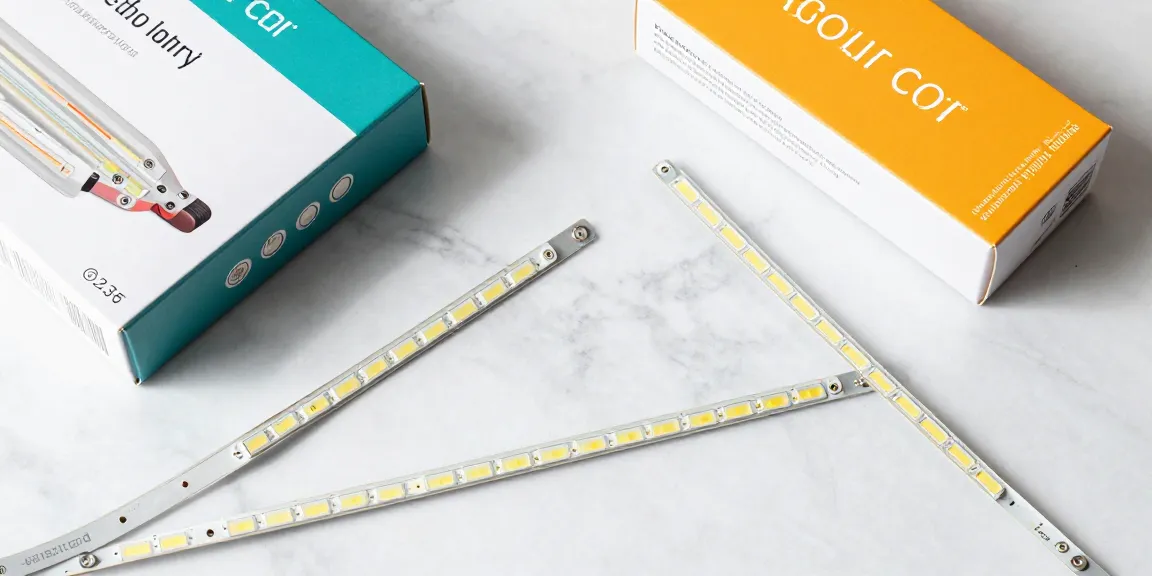
- Integrated Lighting: LED lights not only illuminate the cooking surface but also add a modern aesthetic to your kitchen.
Installation Tips for Your Cooker Hood
Proper installation of your cooker hood is crucial for optimal performance and safety. Whether you opt for a DIY approach or hire a professional, understanding the essential steps can streamline the process.
DIY vs. Professional Installation
Every homeowner should weigh the option of DIY installation against hiring a professional. While DIY can save money, improper installation can result in suboptimal performance or safety hazards. If you have experience with home projects and electrical work, a DIY installation may be feasible. However, for those unsure, hiring an experienced technician can ensure that the installation meets all local codes and operates effectively.
Essential Tools and Materials for Installation
Ensure you have the following tools and materials ready for installation:
- Drill and drill bits
- Screws and anchors
- Voltage tester
- Measurement tape
- Level
Safety Precautions During Installation
Safety should always come first. Always disconnect power before starting installation, carefully follow manufacturer instructions, and ensure a proper fit to prevent any gaps that could reduce efficiency.
Maintenance Strategies for Optimal Performance
Regular maintenance is key to keeping your cooker hood running efficiently and prolonging its lifespan. This involves routine cleaning and addressing potential issues promptly.
How to Clean Your Cooker Hood Effectively
The best approach to cleaning your cooker hood involves:
- Regularly replacing filters according to the manufacturer's guidelines.
- Wiping down external surfaces with a damp cloth and a mild detergent.
- Cleaning the fan blades and motor to prevent grease buildup.
Common Problems and Solutions
Common issues include poor air extraction, excessive noise, and unwanted smells. For most problems:
- Check and replace filters regularly.
- Ensure the fan settings are correct.
- Inspect ductwork for blockages.
When to Replace Your Cooker Hood
Recognizing signs that may indicate it's time for a replacement is critical. If your cooker hood is regularly malfunctioning, emits strange noises, or has decreased airflow, it may be more cost-effective to replace it rather than repair it.
Future Trends in Cooker Hood Technology
The evolution of cooker hood technology is making an exciting impact on kitchen design and functionality. Here are some emerging trends to watch for in 2026:
Smart Features and Connectivity
As smart home technology becomes more prevalent, expect cooker hoods to incorporate advanced features such as self-cleaning settings, air quality sensors, and remote operation via smart devices. Integration with voice-activated systems can enhance convenience further.
Energy Efficiency Standards for 2026
New energy efficiency standards are poised to revolutionize cooker hood design. Look for models that meet or exceed A+++ ratings, ensuring low energy consumption while maximizing performance.
Emerging Designs and Aesthetic Trends
Modern aesthetics in kitchen design will continue to influence cooker hood styles. Expect to see sleek, minimalist designs, finishes that match kitchen cabinetry, and greater emphasis on quiet operation as consumers increasingly prioritize both performance and aesthetics.
What does a cooker hood do?
A cooker hood removes smoke, steam, and cooking odors from the kitchen, ensuring a pleasant culinary experience and maintaining good air quality.
Do all cooker hoods need to be vented outside?
No, not all cooker hoods need to be vented outside. Recirculating hoods filter and reuse the air within your kitchen, making them suitable for spaces where external venting is not an option.
Which brand of cooker hood is considered the best?
The best brand often depends on specific needs and kitchen configurations, but CIARRA is recognized for a wide range of stylish and efficient models.
How do I choose the right cooker hood for my kitchen?
Selecting the right cooker hood involves considering your kitchen size, cooking frequency, and personal style preferences. Measure your stove and ensure compatibility with the hood dimensions.
How to clean kitchen hood effectively?
Cleaning your kitchen hood effectively involves regular maintenance, replacing filters, and wiping down surfaces to prevent grease buildup.