Understanding the Need for Địa chỉ bóc ép plastic
In today's digital age, the preservation of important documents is more crucial than ever. However, many individuals and businesses find themselves grappling with the consequences of plastic lamination, which can both protect and inadvertently damage essential paperwork. The process of document restoration, particularly in the context of Địa chỉ bóc ép plastic, is essential for maintaining the integrity and readability of documents. This article delves into the necessity for restoration services, addressing common misconceptions and providing insight into the methods available for removing plastic lamination without harming the underlying documents.
Why People Require Document Restoration Services?
Document restoration services have gained significant importance as individuals realize the potential harm caused by plastic lamination. The act of sealing documents in plastic can seem like a protective measure, yet it may lead to complications over time, such as yellowing, adhesive residue, or even destruction of printed text. Factors such as moisture exposure, chemical reactions, and natural aging can exacerbate these issues, leading to a pressing need for professional intervention to restore the integrity of vital documents.
Impact of Plastic Lamination on Documents
While plastic lamination is commonly used to safeguard documents from physical damage and environmental factors, it is not without risks. Over time, the laminating process can cause certain adhesives to adhere too firmly to the paper, resulting in permanent damage when removal is attempted. Additionally, laminated documents may not be easily repairable if they have been subjected to heat or moisture. This underscores the importance of understanding the consequences of lamination before opting for such a preservation technique.
Common Misconceptions about Document Preservation
Many individuals believe that laminating a document is a foolproof way of ensuring its longevity. However, this perception often leads to a false sense of security, with users unaware of the potential hazards involved. Misconceptions surrounding the durability of laminated documents and their resistance to environmental damage often lead to neglect until restoration is needed. Understanding these myths is the first step towards making informed decisions about document preservation.
Methods of Địa chỉ bóc ép plastic
When it comes to the removal of plastic lamination, there are several methods available, each varying in effectiveness and safety. Two primary approaches are widely utilized: using heat to remove the plastic lamination and employing non-destructive technologies that minimize risk to the document itself.
Using Heat to Remove Plastic Lamination
One common method for removing plastic lamination is the application of heat. Techniques such as using a hairdryer, an iron, or steam can temporarily loosen the adhesive, making it easier to peel off the lamination. However, this approach comes with significant risks; excessive heat can scorch the paper, fade printed text, or leave behind adhesive residue. Thus, while heat might seem like an expedient solution, it requires careful execution to avoid damaging the documents.
Non-Destructive Technologies for Document Restoration
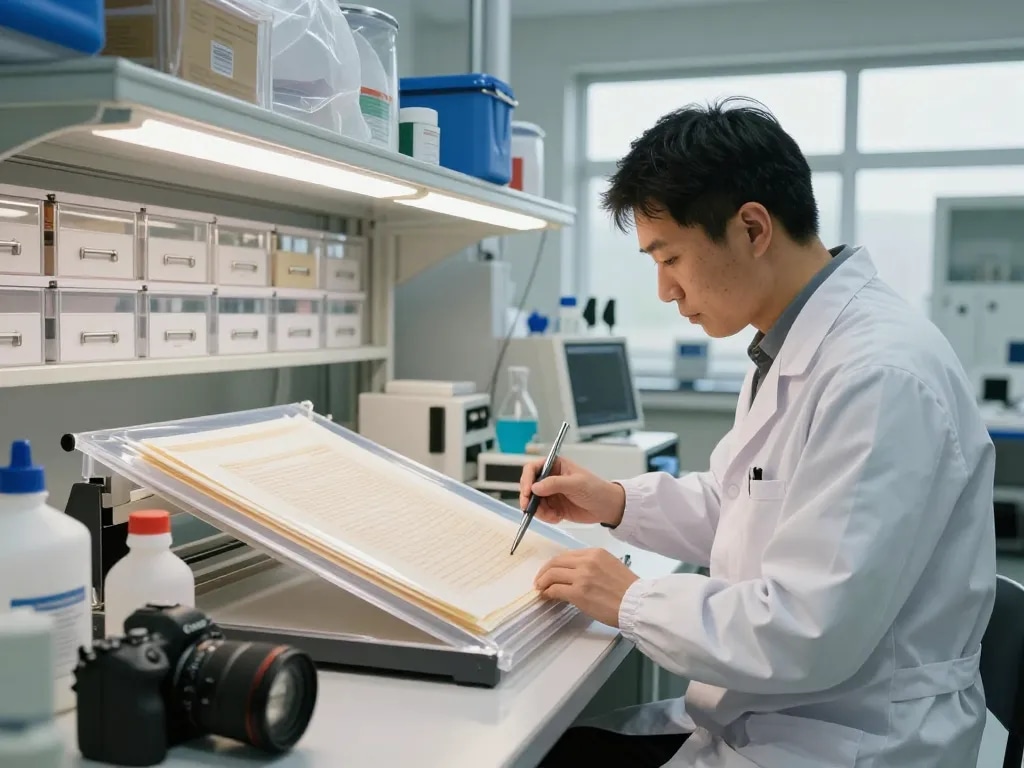
In contrast, non-destructive methods for document restoration have emerged as safer alternatives. These techniques involve specialized tools and chemicals designed to weaken the bond between the plastic lamination and the document without applying physical force. Non-destructive technologies can help minimize the risk of tearing or smudging text, which is especially beneficial for valuable or fragile documents. Choosing a provider that employs such methods can greatly enhance the chances of successful restoration.
Comparative Analysis of Different Removal Techniques
When considering the various methods for removing plastic lamination, it's essential to weigh the pros and cons of each. Heat application may offer quick results but is fraught with risks. Non-destructive technologies, while often more time-consuming and potentially costlier, can significantly reduce the risks associated with document handling. Understanding these differences allows individuals to make informed decisions about which method aligns best with their specific needs and the condition of their documents.
Challenges in Document Restoration
The process of document restoration is not without its challenges. Restoration experts must consider the type of document, its current condition, and the potential risks involved in removal techniques. Understanding these challenges can help individuals set realistic expectations for the restoration process.
Identifying Document Types and Their Vulnerabilities
Document types vary widely, with some being more susceptible to damage than others. For instance, older documents or those printed on specific paper types may react differently to various removal techniques. Identifying these vulnerabilities is crucial for restoration specialists to determine the best approach for each individual case.
Potential Risks of DIY Removal Methods
Although many individuals may attempt to remove plastic lamination on their own, DIY methods can lead to further damage if not executed properly. Risks include tearing, discoloration, and deterioration of the document, which can result in irreversible damage. Recognizing the limitations of DIY approaches is essential for preserving documents effectively.
Case Studies of Successful Document Restorations
Document restoration professionals often encounter unique challenges that require creative solutions. Case studies highlighting successful restorations can provide valuable insights into effective techniques and methods. For example, a situation where historical documents were restored using non-destructive methods can demonstrate the viability and effectiveness of these techniques in preserving important records.
Best Practices for Safe Document Bóc Ép Plastic
To ensure document integrity during the restoration process, it's vital to adhere to best practices. These practices can help minimize risk while enhancing the likelihood of a successful restoration.
Steps to Ensure Document Integrity
Before undertaking any restoration efforts, consider the following steps:
- Assess the document's condition to determine the most suitable removal method.
- Avoid exposure to heat and moisture until a professional assessment can be made.
- Consult with restoration experts to gain insights on the safest techniques for your specific documents.
Selecting a Reliable Service Provider in Your Area
It's essential to choose a reputable document restoration service. Look for providers with a proven track record and positive reviews, as well as expertise in non-destructive techniques. Furthermore, ensure they offer guarantees for their work to provide peace of mind during the restoration process.
Future Trends in Document Restoration Technologies
As technology continues to evolve, so too will the methods and techniques used in document restoration. The future may bring advancements in non-destructive technologies, more effective adhesives, and improved methods for restoring damaged documents. Staying informed about these trends can help individuals choose the best options for preserving their valuable documents in the years to come.
FAQs about Địa chỉ bóc ép plastic Services
What are the signs that I need document restoration?
Signs that restoration may be necessary include visible damage such as tears, fading, or adhesive residue on laminated documents. If you notice issues that affect readability or presentation, it’s time to seek professional help.
Can I perform document restoration at home?
While some homeowners may attempt DIY restoration methods, it is generally advised to consult with professionals, especially for valuable or irreplaceable documents. Professionals have access to specialized tools and methods that minimize the risk of further damage.
How long does the document restoration process take?
The duration of the restoration process varies based on the complexity and condition of the document. Some restorations can be completed in a matter of hours, while others may take days or longer, depending on the specific needs and techniques utilized.
What guarantees should I seek from a service provider?
When selecting a document restoration service, inquire about any guarantees they provide regarding the outcome of their work. A good service will offer assurances related to the condition of the document after restoration, including the prevention of damage during the process.
Are there preventive measures to avoid lamination issues?
To avoid lamination-related problems, consider using archival-quality materials for document protection, and be cautious about the methods used to preserve important papers. Regular assessments of document conditions can also help identify potential issues before they exacerbate.