
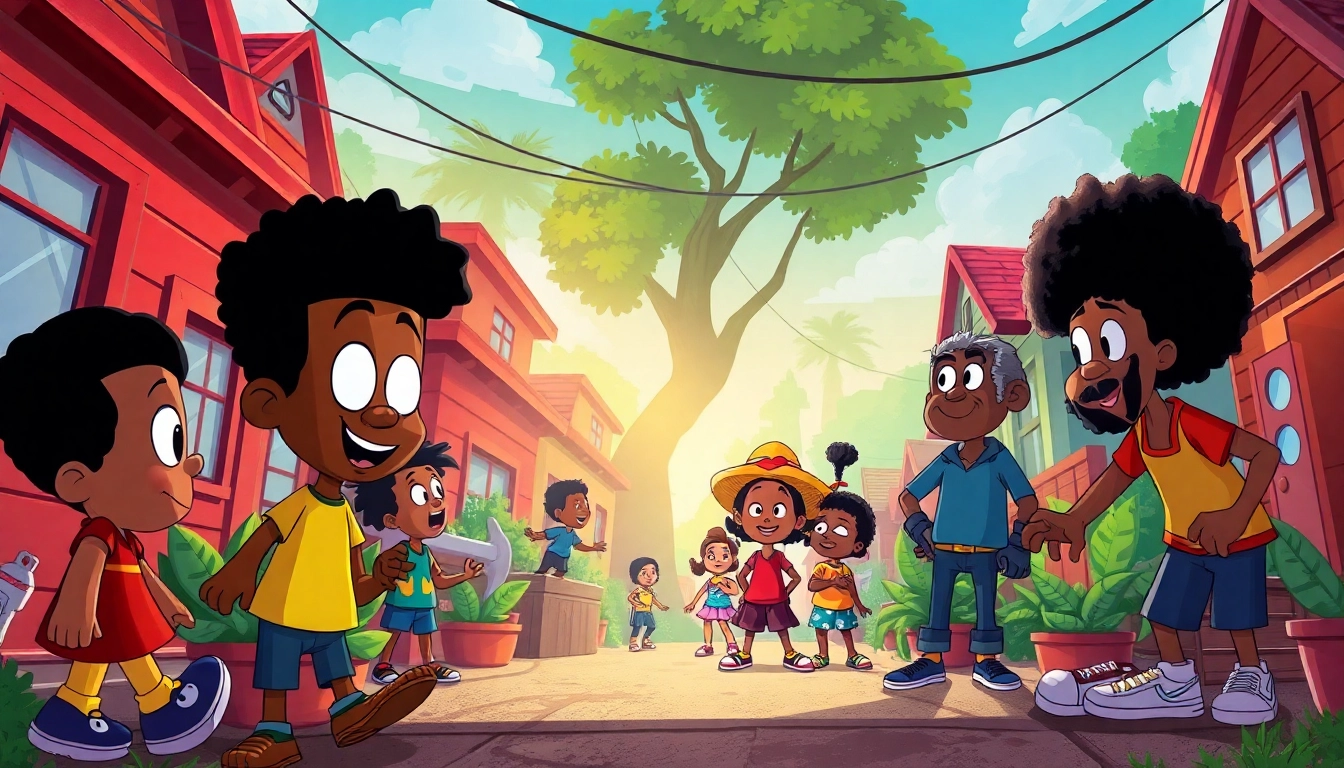
The Evolution of African American Cartoons
The landscape of animation has undergone significant transformations since its inception, particularly in the representation of African American culture and experiences. African American cartoons have played a critical role in shaping narratives, influencing society, and entertaining audiences across generations. As we dive into this evolution, we will explore the historical context, key milestones, and the profound impact these animated series have had on culture and society at large. For those eager to discover a wealth of content, exploring African American Cartoons offers a compelling way to appreciate this vibrant history.
Historical Context: From Origins to Present Day
The origins of African American cartoons can be traced back to the early 20th century, where animations often presented a distorted view of Black life through racial caricatures. Influential figures like Walt Disney and Warner Bros. began to gain popularity, yet their work often sidestepped true representation. It wasn’t until the late 20th century that African American creatives, like animator and director Bruce Smith, started to push for a more authentic portrayal. The emergence of shows like “The Boondocks” and “The Proud Family” during the 2000s marked a pivotal moment in animation history, showcasing Black characters in leading roles and addressing culturally relevant themes.
Key Milestones in Animation Featuring African American Characters
- 1930s: The portrayal of Black characters in early animations, like “Popeye,” often leaned into stereotypes.
- 1970s: “Fat Albert and the Cosby Kids” debuted, created by Bill Cosby, showcasing relatable characters in stories about friendship and social issues.
- 2000s: “The Boondocks” became a groundbreaking series, critiquing societal norms and addressing issues of race, culture, and identity.
- 2010s: “Doc McStuffins” emerged as a role model for young viewers, being the first animated series to feature a Black female lead character in a medical setting.
Impact on Culture and Society
The impact of African American cartoons extends beyond mere entertainment. These animated series have influenced societal perspectives on race, identity, and culture. They provide representation that inspires pride and fosters discussions around diversity. Shows that portray African American characters and stories play a vital role in shaping cultural identity, by not only reflecting experiences but also challenging stereotypes. Moreover, the popularity of these cartoons has encouraged networks and streaming services to invest further in diverse content, as viewers demand stories that resonate with their lived experiences.
Top African American Cartoons to Watch in 2026
As we look toward the future, several African American cartoons stand out for their cultural significance and entertainment value. Whether nostalgic classics or modern hits, these series are a must-watch for anyone looking to understand the breadth of Black representation in animation.
Timeless Classics: Honoring the Pioneers
- Fat Albert and the Cosby Kids: This timeless series addressed real-life issues through the adventures of Fat Albert and his friends, teaching life lessons and encouraging positivity.
- The Proud Family: Lauded for its humor and heart, this show showcases the life of a young African American girl navigating family dynamics and friendships.
- The Boondocks: A culturally significant series known for its sharp wit, tackling topics directly tied to the African American experience.
Current Hits: What’s Trending Now?
In today’s animation landscape, there are several current hits capturing the attention of audiences both young and old. Series like “Craig of the Creek” and “Big Mouth” feature multi-dimensional Black characters and address themes of friendship, identity, and self-acceptance that resonate with contemporary viewers.
Personal Recommendations: Matthew’s Picks
As a connoisseur of animation, I recommend exploring both classics and new releases. “Doc McStuffins” is a fantastic series for young viewers, promoting themes of empathy and healthcare. For older audiences, “The Boondocks” remains a satirical and thought-provoking series that spurs discussion on race and culture.
The Importance of Representation in Animation
Representation matters immensely in media, as it allows audiences to see themselves reflected in various forms of storytelling. This is particularly crucial for children, who are forming their identities and understanding their place in the world.
Why Representation Matters for Diverse Audiences
Having African American characters in cartoons provides affirmation for Black children and allows non-Black children to learn about diversity in a natural, engaging manner. It cultivates empathy and understanding, which are essential for fostering a more inclusive society.
Impact on Children and Cultural Identity
Children’s programming plays a pivotal role in shaping cultural narratives. When Black characters are portrayed positively and authentically, it helps young viewers develop a strong sense of self worth and cultural pride. Shows that feature diversity can combat negative stereotypes and provide context that enriches understanding.
Insights from Industry Experts
Animation industry experts emphasize the importance of diverse storytelling. Creations that feature African American characters reflect a broader perspective that resonates with both children and adults. As diversity continues to be a focal point in animation, the industry is likely to see a profound shift in how stories are told.
How to Access and Enjoy African American Cartoons
For those looking to dive into African American cartoons, there are numerous platforms available that provide free access to a wealth of content. With the shift toward online streaming, many series are now easily accessible.
Free Streaming Platforms for Diverse Content
Platforms such as YouTube and various free streaming services offer a plethora of options for enjoying African American cartoons. These resources allow viewers of all ages to appreciate the art form while learning about different cultures.
Building a Diverse Watchlist: Tips and Suggestions
When building a watchlist, consider including a mix of classic and contemporary series. Engage with community recommendations online, and don’t hesitate to explore lesser-known titles that might offer fresh perspectives on Black experiences in animation.
Engaging with Community One Cartoon at a Time
Creating community dialogue around these cartoons enhances appreciation and understanding. Organize viewing parties or discussions that explore the themes and narratives presented within the shows, fostering a sense of community and education.
Future Trends in African American Animation
The future of African American animation looks promising, with a growing number of creators and stories reflecting the rich diversity of the Black experience.
Emerging Creators and New Voices in Animation
As more African American creators enter the animation field, we can expect to see a broader range of stories that uplift underrepresented voices. These new narratives will contribute to a richer tapestry of experiences represented in animation.
Technological Advances Shaping the Future of Cartoons
With advances in technology, the potential for storytelling becomes limitless. Animation tools and platforms allow for more experimental and diverse productions, making it easier for new voices to emerge.
Predictions for African American Cartoons in 2026 and Beyond
In the coming years, we can anticipate a surge in African American cartoons that not only entertain but also educate. As society continues to evolve and embrace diversity, the animation industry will likely reflect these changes, leading to even more impactful storytelling.

