
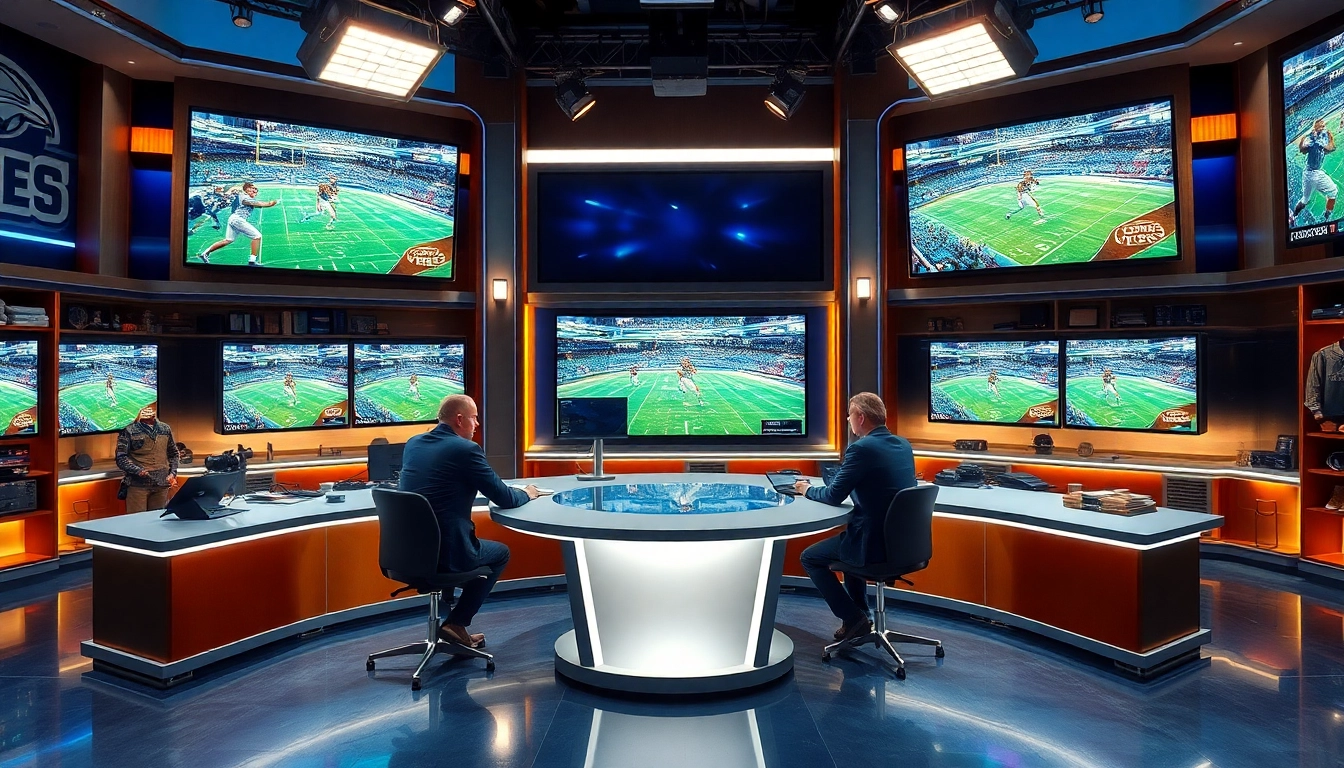
Understanding the Landscape of Sports Broadcasting
History and Evolution of Sports Broadcasting
Sports broadcasting has undergone a significant transformation since its inception in the early 20th century. The initial broadcasts often featured live radio commentary of sports events, which allowed fans to follow their favorite teams and athletes from the comfort of their homes. As technology advanced, first television and later digital platforms emerged, revolutionizing how audiences consumed sports content.
The landmark moment of live television broadcasting occurred in the 1936 Berlin Olympics, showcasing sports on a grand scale. This milestone laid the groundwork for subsequent decades of growth. By the late 20th century, cable networks began to dominate, providing dedicated channels for sports like ESPN, which pioneered a 24-hour sports news format that had never been seen before.
As we moved into the new millennium, the rise of the internet changed the game once more. The expansion of high-speed broadband allowed for streaming services and online platforms, enabling fans to watch games and highlights on demand. Today, Sports Broadcasting encompasses a diverse array of platforms, including traditional media, streaming services, social media, and mobile applications, each contributing to the dynamic and intricate landscape we see today.
Key Players and Stakeholders
The world of sports broadcasting is populated by various key players and stakeholders, each contributing uniquely to the ecosystem. At the forefront are networks and cable operators, responsible for broadcasting live events and generating viewership. Major networks like NBC, CBS, and FOX dominate conventional broadcasting, while platforms like Amazon Prime Video and DAZN are pushing boundaries in the streaming sector.
Another crucial group includes sports leagues and teams, which often negotiate broadcasting rights to maximize their revenue. The National Football League (NFL) and the National Basketball Association (NBA) are examples of leagues with lucrative broadcasting contracts that drive significant earnings.
Advertisers and sponsors also play a key role, investing heavily in broadcast rights and airtime to align their brands with popular sports and events. Content creators and production teams are equally essential as they bring broadcasts to life, crafting narratives that resonate with audiences. Together, these stakeholders create a vibrant sports broadcasting industry that continues to evolve.
Current Trends Shaping the Industry
The sports broadcasting industry is continuously adapting to trends that reflect changing audience preferences and advancements in technology. A prominent trend is the increasing shift toward digital content, encouraging broadcasters to develop more online offerings. Streaming services are challenging traditional cable networks, with many viewers opting for customizable viewing experiences and on-demand content.
Moreover, data analytics is becoming integral in understanding viewer behavior, informing strategies and content development. Broadcasters are also leveraging social media platforms to engage with fans in real time, fostering interactive experiences during games.
Another trend is the rise of niche sports broadcasting, where less mainstream sports gain traction through dedicated channels or streaming services. As consumers’ thirst for unique sports content grows, broadcasters are required to adapt and diversify their offerings continually.
Technology’s Role in Sports Broadcasting
Innovative Broadcasting Technologies
The advancements in broadcasting technologies have revolutionized the way sports are presented and consumed. High-definition (HD) and 4K resolution technologies enhance the visual experience, allowing viewers to enjoy games with remarkable clarity and detail. Innovations like augmented reality (AR) and virtual reality (VR) are beginning to transform how fans engage with sports broadcasts, providing immersive experiences that transport viewers closer to the action.
Other technologies, such as drones and robotic cameras, offer new perspectives for capturing live events, enabling broadcasters to provide unique angles and enriching coverage. Additionally, the utilization of artificial intelligence (AI) in content creation and delivery is streamlining production processes while personalizing viewer experiences.
Streaming vs. Traditional Broadcasting
The rise of streaming platforms has led to a significant shift in how audiences access sports content. Viewers are increasingly opting for streaming services over traditional broadcasting, seeking flexibility and customization in their viewing experiences. This shift presents both challenges and opportunities for traditional broadcasters who must adapt to this changing landscape.
Streaming services often offer subscription-based models that allow viewers to select precisely what content they want, while traditional networks rely on advertising revenue from a broader audience base. This differentiation is prompting traditional broadcasters to explore their own streaming services to retain competitiveness, potentially merging the benefits of both model forms.
Impact of Social Media on Viewer Engagement
Social media platforms have emerged as essential tools for engaging sports audiences, serving as critical channels for real-time interaction during broadcasts. Fans use platforms like Twitter, Instagram, and TikTok to share their thoughts and insights, enhancing community dynamics around sporting events. Broadcasters are now integrating social media content into their broadcasts, providing highlights and fan reactions that cultivate a broader conversation around games.
This social engagement can lead to higher viewership as fans feel more connected, promoting immediate reactions and conversations about ongoing matches or tournaments. Broadcasters are capitalizing on this engagement by creating campaigns that encourage fans to share their experiences, further propelling viewer engagement.
Content Creation for Sports Broadcasting
Crafting Compelling Sports Narratives
Engaging sports narratives play a pivotal role in captivating audiences. Successful sports broadcasting transcends mere scores and highlights, integrating human stories that resonate with viewers. Narratives that focus on athlete journeys, rivalries, and team dynamics foster emotional connections and enhance viewer loyalty.
Broadcasters utilize various storytelling techniques, including interviews, behind-the-scenes footage, and expert analyses to construct compelling narratives. This approach not only enriches the viewing experience but also attracts new fans who may become interested in the sport as a whole.
Utilizing Data Analytics for Enhanced Storytelling
The role of data analytics in content creation for sports broadcasting cannot be understated. By analyzing vast amounts of data, broadcasters enhance their storytelling capabilities, identifying trends, player statistics, and historical comparisons that create in-depth analyses during broadcasts.
This data-driven approach can lead to more informed commentary and graphics that convey critical insights to audiences, making broadcasts richer in context and engagement. By making statistics accessible and engaging, broadcasters can enhance viewer understanding and enjoyment of the sport.
Interactive Content: Engaging Modern Audiences
Today’s audiences demand interactivity, and sports broadcasters are responding by integrating interactive content into their programming. Features such as live polls, quizzes, and viewers’ choice segments allow fans to participate actively in the broadcast experience.
Additionally, interactive apps and platforms enable viewers to catch highlights, follow live statistics, and even choose camera angles during streams, creating a more personalized and engaging experience. This trend not only enhances viewer satisfaction but also establishes a community around the broadcast, encouraging deeper connections with the sport.
Challenges in Sports Broadcasting Today
Legal and Ethical Considerations
As the sports broadcasting landscape evolves, so too do the legal and ethical considerations. Broadcasters must navigate complex licensing agreements, ensuring they have the rights to air certain events and content. Moreover, ethical standards must be upheld in reporting, requiring integrity in narrative creation and analysis.
Intellectual property issues also loom large, especially concerning the use of highlights and replays. Balancing copyright laws with the need for timely coverage poses ongoing challenges for broadcasters in a rapidly changing environment.
Managing Rights and Licensing Issues
Navigating broadcasting rights and licensing is one of the most complex challenges in the industry. Rights agreements often involve intense negotiations and significant monetary investments that can affect a broadcaster’s operations and programming strategy.
As audiences migrate towards streaming services, managing these rights becomes increasingly critical—broadcasters must adapt to new contracts that reflect viewership trends, ensuring they capture the necessary audience and maximize profitability.
Competition in a Saturated Market
The surge in sports broadcasting options has led to increased competition, with numerous platforms vying for viewer attention. This saturation can dilute advertising revenues and push networks to innovate continually to retain subscribers and viewers. Broadcasters must uniquely position themselves by offering exclusive programming, enhanced viewing options, or compelling fan engagement strategies that stand out among a crowded marketplace.
Measuring Success in Sports Broadcasting
Key Performance Indicators and Metrics
Measuring success in sports broadcasting is crucial for evaluating performance and informing strategy. Key Performance Indicators (KPIs) such as viewership ratings, engagement metrics, and demographic penetration provide broadcasters with valuable insights into audience behavior and preferences.
Additionally, monitoring social media engagement, online view counts, and subscription retention rates enables networks to adapt effectively to changing viewer interests and competitive pressures.
Evaluating Audience Feedback and Behavior
Audience feedback is an essential tool for broadcasters seeking to improve their offerings. By conducting surveys, analyzing viewer comments, and tracking social media interactions, networks can gain valuable insights into viewer sentiments and experiences.
This feedback allows broadcasters to refine their content strategies, identify areas for enhancement, and better cater to audience expectations, ultimately driving higher satisfaction and loyalty.
Strategies for Continuous Improvement
Successful sports broadcasters prioritize continuous improvement by actively seeking opportunities to innovate and evolve. This process can involve periodic assessments of content offerings, embracing new technologies, and analyzing market trends.
Implementing pilot programs for new content formats, incorporating fan feedback into production processes, and benchmarking against industry best practices are all viable strategies for ensuring broadcasters remain relevant in an ever-changing market landscape.
FAQs
What is sports broadcasting?
Sports broadcasting refers to the transmission of sports events or related content through television, radio, or online platforms, allowing fans to follow and engage with their favorite sports.
How has technology impacted sports broadcasting?
Technology has transformed sports broadcasting through innovations like HD and 4K visuals, streaming services, and AI, enhancing the viewer experience and engagement.
What are the main challenges in sports broadcasting?
The main challenges include navigating rights and licensing issues, legal considerations, and competition within a saturated market.
How do broadcasters measure success?
Success is measured using KPIs like viewership ratings, engagement metrics, demographic analysis, and audience retention. Feedback mechanisms help refine strategies.
Why is storytelling important in sports broadcasting?
Storytelling enhances audience engagement by creating emotional connections, making the viewing experience more relatable and enjoyable.