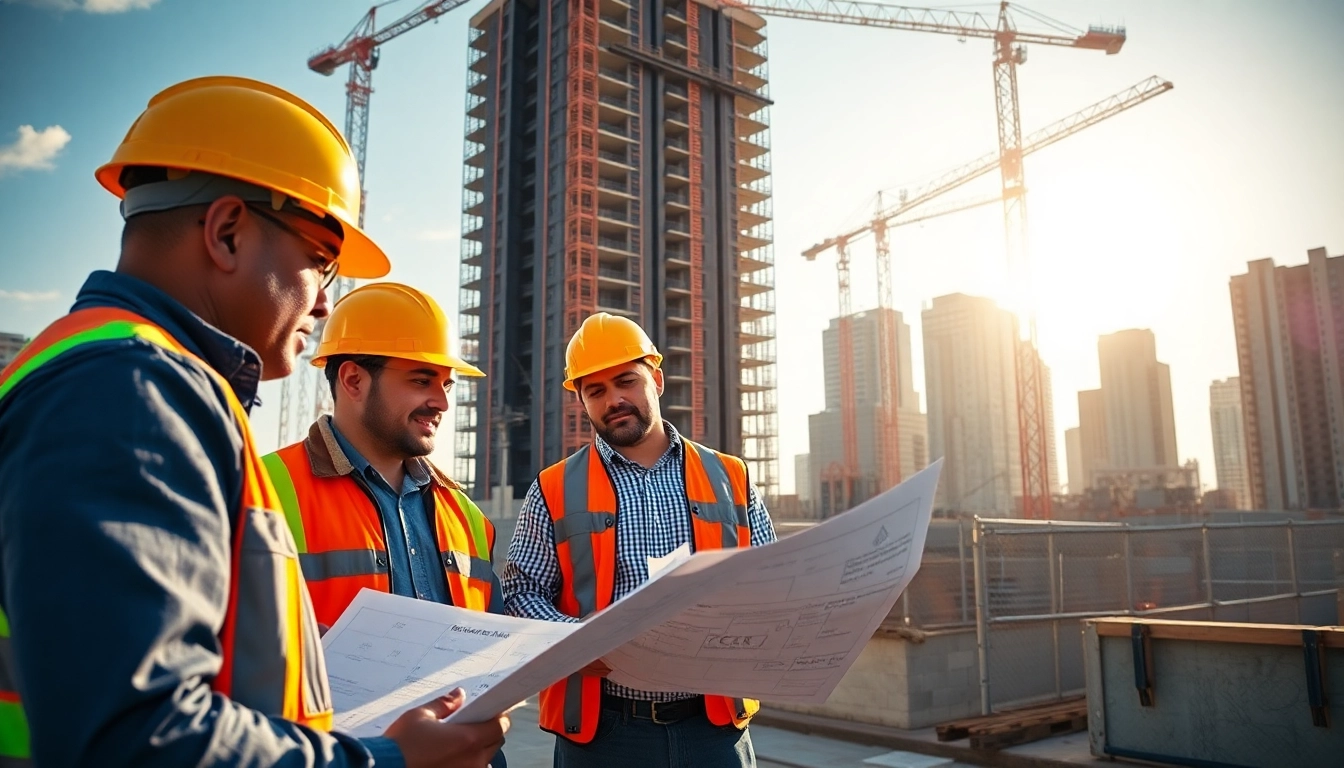
Understanding the Role of a New York City Commercial General Contractor
Definition and Responsibilities
A New York City Commercial General Contractor plays a pivotal role in the construction industry, serving as the primary point of contact for projects ranging from small renovations to large-scale commercial builds. Their responsibilities encompass the entire construction process, which includes planning, coordinating, and supervising various construction activities.
Primarily, a commercial general contractor manages all aspects of the construction project, ensuring that it is completed on time and within budget. This includes hiring subcontractors, securing building permits, and maintaining communication with architects, engineers, and clients to align project goals and expectations. Additionally, they are tasked with ensuring compliance with safety regulations and zoning laws, which are particularly stringent in urban environments like New York City.
Key Skills to Look For
When choosing a New York City commercial general contractor, there are several critical skills to consider:
- Project Management: The ability to oversee multiple aspects of a project simultaneously, from staffing to scheduling.
- Budgeting and Financial Management: Expertise in financial planning and cost estimation ensures that projects stay within budgetary constraints.
- Communication: Strong verbal and written communication skills facilitate clear communication with stakeholders at all levels.
- Problem-Solving: The construction process can present unexpected challenges, and effective general contractors must think quickly to devise solutions.
- Knowledge of Regulations: Familiarity with local laws, building codes, and safety regulations is crucial for ensuring compliance and avoiding legal pitfalls.
Different Types of Projects Managed
New York City commercial general contractors work on a diverse range of projects, reflecting the city's dynamic landscape. Some common types of projects include:
- Office Buildings: Designing and constructing spaces that meet the evolving needs of business operations.
- Retail Spaces: Renovating or building storefronts to enhance customer experience and drive sales.
- Hospitals and Healthcare Facilities: Constructing facilities designed for patient care, often requiring specialized knowledge of healthcare standards.
- Educational Institutions: Building and renovating schools, universities, and other educational facilities to foster effective learning environments.
- Residential Towers: Engaging in projects that include luxury apartments and condominiums, contributing to the city's housing demands.
Why Hiring a New York City Commercial General Contractor is Crucial
Benefits of Expert Project Management
Employing a commercial general contractor offers unparalleled expertise in managing projects. This experience is particularly beneficial in navigating the complexities of large-scale construction, where delays and miscommunications can be costly. A proficient contractor maintains timelines and ensures that all project components are working in harmony. This comprehensive oversight leads to efficient use of resources, preventing wasted time and effort.
Time and Cost Efficiency
Efficient time management is vital in the fast-paced New York City landscape. A seasoned contractor optimizes construction schedules, enabling projects to move forward as planned. Moreover, they possess strong negotiation skills that assist in obtaining competitive rates from suppliers and subcontractors. This ability to manage costs effectively translates into significant savings for clients, making it a financially sound decision to hire a contractor.
Risk Mitigation in Construction
Construction projects inherently bear risks, from potential accidents to delays due to inclement weather. A knowledgeable New York City Commercial General Contractor proactively identifies and mitigates risks throughout the construction lifecycle. They implement stringent safety protocols, conduct regular site inspections, and maintain thorough documentation to ensure compliance with legal standards. This minimizes liability and addresses potential issues before they escalate into serious problems.
How to Evaluate Potential New York City Commercial General Contractors
Checking Credentials and Licensing
Before engaging a contractor, it is crucial to verify their credentials. In New York City, contractors must possess appropriate licenses and certifications to ensure legitimacy. This process includes checking for general liability insurance, worker's compensation insurance, and any relevant state and local permits. Verification not only establishes credibility but also protects clients from legal issues.
Reviewing Past Projects and Client Testimonials
Examining a contractor's portfolio is a necessity. Prospective clients should request case studies, project examples, and testimonials from former clients. This practice provides insights into the contractor's style, quality of work, and ability to meet deadlines. Moreover, speaking directly with past clients can highlight unseen strengths and weaknesses, enabling a well-informed decision.
Assessing Communication and Collaboration
Effective communication is central to a successful project. Potential clients should assess a contractor’s communication style during initial consultations. The contractor should be open, responsive, and willing to engage in discussions about the project’s intricacies. A collaborative approach is essential for fostering a partnership based on trust and transparency.
Questions to Ask Your New York City Commercial General Contractor
Project Timeline and Milestones
Every project has milestones that mark significant stages of progress. Clients should inquire about the proposed timeline for the project, including start and completion dates and key milestones in between. Understanding how the contractor plans to monitor progress can add clarity and direction to project management efforts.
Budget Management and Transparency
Financial transparency is critical for a successful partnership. Clients should ask how the contractor plans to manage the budget and what systems will be in place to monitor costs. A clear outline of expected expenses and any potential for cost overruns should be discussed at the outset to avoid surprises later.
Handling Changes and Challenges
Finally, discuss how the contractor approaches changes in project scope or unexpected challenges. Understanding their process for managing alterations helps set the right expectations and prepares both parties for any necessary adjustments throughout the project lifecycle.
Best Practices for Working with a New York City Commercial General Contractor
Establishing Clear Contracts and Agreements
Creating detailed contracts is essential for minimizing misunderstandings during the construction process. Contracts should outline all aspects of the project, including scope, budget, timelines, and any warranties or guarantees. This document serves as a legal reference point that clarifies the obligations of both parties.
Maintaining Open Lines of Communication
Continuous communication should remain a priority throughout the project. Clients and contractors should establish regular meetings to discuss progress, potential challenges, and any necessary adjustments. Utilizing modern communication tools and platforms can facilitate this, allowing for easy sharing of updates and documentation.
Regularly Reviewing Progress and Quality
Clients should adopt a proactive approach to monitor quality and progress. Schedule routine site visits and inspections to ensure that the work adheres to the agreed-upon specifications and timelines. This practice not only promotes accountability on the contractor's part but also enables clients to remain engaged throughout the process, fostering a sense of collaboration.