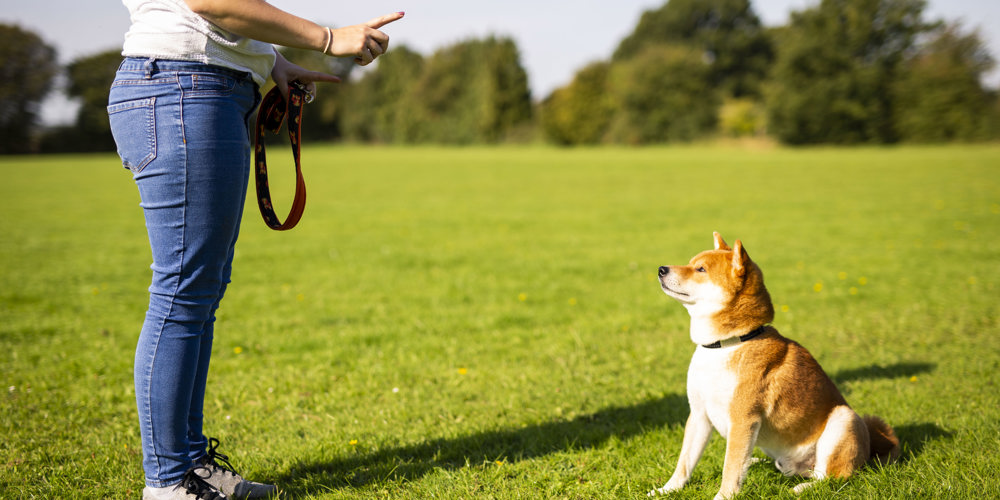
Dachshunds are among the most recognizable dog breeds in the world. Their long bodies, short legs, and confident personalities make them beloved companions for families and individuals alike. However, anyone who has owned a Dachshund knows that their charm comes with a stubborn streak. Originally bred for hunting badgers and other burrowing animals, these dogs are intelligent, determined, and independent thinkers.
Because of these unique traits, Dachshund training requires a thoughtful approach that balances consistency, patience, and positive reinforcement. When owners understand how Dachshunds learn and what motivates them, training becomes more effective and enjoyable for both dog and owner.
Whether you are welcoming a new puppy or working with an adult Dachshund, the right training methods can help build confidence, encourage good behavior, and strengthen your relationship with your dog.
- Understanding the Dachshund Personality
- Why Early Dachshund Training Matters
- Building a Foundation with Positive Reinforcement
- Essential Commands Every Dachshund Should Learn
- Effective House Training for Dachshunds
- Addressing Barking Behaviors
- Socialization and Confidence Building
- Managing Separation Anxiety
- Preventing Common Behavioral Problems
- The Importance of Mental Stimulation
- Creating Consistency at Home
- Training Tips for Long-Term Success
- When Professional Training Can Help
- Final Thoughts
Understanding the Dachshund Personality
Before beginning any Dachshund training program, it is important to understand the breed’s natural characteristics.
Dachshunds were developed to work independently in the field. Unlike some breeds that were bred to follow human direction closely, Dachshunds often evaluate situations on their own before responding. This independence can sometimes be mistaken for stubbornness.
Common Dachshund personality traits include:
- High intelligence
- Strong prey drive
- Curiosity and alertness
- Loyalty to family members
- Determination and persistence
- Sensitivity to harsh corrections
Recognizing these traits helps owners choose training techniques that align with the breed’s natural instincts rather than working against them.
Why Early Dachshund Training Matters
Training should begin as early as possible. Puppies experience critical developmental periods when they are especially receptive to learning new behaviors and adapting to different environments.
Early training helps establish:
- Household rules and boundaries
- Positive social behaviors
- Reliable communication between owner and dog
- Confidence in unfamiliar situations
- Healthy coping skills for new experiences
Starting early can also prevent unwanted behaviors from becoming deeply ingrained habits later in life.
Even if a Dachshund is older, training remains highly beneficial. Dogs of all ages can learn new behaviors with consistent guidance and practice.
Building a Foundation with Positive Reinforcement
One of the most effective approaches to Dachshund training is positive reinforcement. This method focuses on rewarding desired behaviors rather than punishing mistakes.
Rewards may include:
- Small training treats
- Verbal praise
- Toys
- Play sessions
- Affection and attention
When a Dachshund receives something valuable immediately after performing a desired behavior, they are more likely to repeat that behavior in the future.
For example, if your dog sits when asked and immediately receives praise and a treat, the connection between the action and reward becomes clear.
Positive reinforcement encourages learning while helping maintain trust and confidence.
Essential Commands Every Dachshund Should Learn
Basic obedience training provides the foundation for everyday behavior management and safety.
Sit
Teaching “sit” is often one of the first commands owners introduce. It helps establish focus and creates opportunities to reinforce calm behavior.
Stay
The stay command teaches impulse control and can prevent dogs from rushing through doors or entering potentially unsafe situations.
Come
Reliable recall is one of the most important skills any dog can learn. A strong recall command can help keep your Dachshund safe both indoors and outdoors.
Leave It
Because Dachshunds are naturally curious, the leave-it command can prevent them from picking up unsafe objects or engaging with distractions.
Down
Teaching a dog to lie down on command promotes relaxation and helps manage excitement in various situations.
Regular short training sessions help reinforce these skills while maintaining your dog’s interest and enthusiasm.
Effective House Training for Dachshunds
House training is often one of the biggest challenges new owners face. Dachshunds can be slower to house train than some other breeds, making consistency especially important.
Successful house training typically involves:
- Establishing a predictable schedule
- Taking the puppy outside frequently
- Rewarding successful potty trips immediately
- Supervising indoor activities
- Limiting opportunities for accidents
Crate training can also support house training efforts by encouraging bladder control and establishing routine habits.
Patience is essential. Accidents are part of the learning process and should be handled calmly without punishment.
Addressing Barking Behaviors
Dachshunds are naturally alert dogs and often use barking to communicate potential threats, excitement, or frustration.
While some barking is normal, excessive barking can become problematic if left unmanaged.
To reduce excessive barking:
- Identify the trigger
- Redirect attention to an alternative behavior
- Reward quiet moments
- Provide adequate physical exercise
- Offer mental enrichment activities
Teaching a “quiet” command can also help dogs learn when barking is appropriate and when it is time to settle.
Socialization and Confidence Building
Socialization is a critical component of successful Dachshund training.
Proper socialization introduces dogs to:
- New people
- Different environments
- Various sounds
- Other animals
- Novel experiences
Positive exposure during puppyhood can help prevent fear-based behaviors and improve adaptability throughout life.
Owners should focus on creating positive experiences rather than overwhelming their dogs. Gradual exposure paired with rewards helps build confidence and resilience.
Even adult Dachshunds can benefit from carefully planned socialization opportunities that expand their comfort zone.
Managing Separation Anxiety
Many Dachshunds form strong bonds with their families and may struggle when left alone for extended periods.
Signs of separation-related stress can include:
- Excessive barking
- Destructive chewing
- Pacing
- House-soiling
- Attempts to escape
Training strategies that may help include:
- Gradually increasing alone time
- Creating predictable departure routines
- Providing interactive toys
- Encouraging independent relaxation
- Rewarding calm behavior
Helping a Dachshund develop confidence when alone can improve overall emotional well-being and reduce household stress.
Preventing Common Behavioral Problems
Many unwanted behaviors develop when a dog’s physical and mental needs are not fully met.
Common Dachshund behavioral challenges include:
Digging
Because of their hunting heritage, Dachshunds often enjoy digging. Providing designated digging areas or engaging activities can help redirect this instinct.
Jumping
Teaching alternative greeting behaviors such as sitting can reduce jumping on guests and family members.
Resource Guarding
Early training around food, toys, and valued items can help build positive associations and encourage cooperative behavior.
Pulling on the Leash
Loose-leash walking exercises help create enjoyable walks while improving owner control and dog safety.
Addressing concerns early often prevents behaviors from becoming more difficult to manage later.
The Importance of Mental Stimulation
Physical exercise alone is not enough for a highly intelligent breed like the Dachshund.
Mental enrichment activities provide opportunities for learning and problem-solving while helping prevent boredom-related behaviors.
Popular enrichment options include:
- Puzzle feeders
- Scent games
- Interactive toys
- Training sessions
- Hide-and-seek activities
- Food-dispensing toys
Mental stimulation can be especially valuable during bad weather or when outdoor exercise opportunities are limited.
A mentally engaged dog is often calmer, happier, and more responsive during training sessions.
Creating Consistency at Home
Consistency is one of the most important factors in successful Dachshund training.
Dogs learn more quickly when expectations remain clear and predictable.
For example, if one family member allows the dog on furniture while another discourages it, confusion may slow progress.
Establish household guidelines regarding:
- Feeding schedules
- Furniture access
- Greeting behaviors
- Potty routines
- Training commands
When everyone follows the same rules, dogs gain a clearer understanding of expectations.
Training Tips for Long-Term Success
While every Dachshund is unique, several principles consistently contribute to better training outcomes.
Keep Sessions Short
Most Dachshunds learn best through short, focused training sessions lasting five to ten minutes.
End on a Positive Note
Concluding each session with a successful behavior helps maintain motivation and enthusiasm.
Be Patient
Progress may not always be linear. Dogs often require repetition and practice before behaviors become reliable.
Focus on Relationship Building
Training is not simply about obedience. It is also about strengthening communication and trust between owner and dog.
Celebrate Small Wins
Recognizing gradual improvement helps maintain momentum and encourages continued learning.
When Professional Training Can Help
Some owners benefit from working with experienced trainers who understand breed-specific behavior patterns.
Professional guidance may be especially valuable for:
- Persistent behavioral issues
- Severe barking problems
- Anxiety-related concerns
- Reactivity toward people or dogs
- Advanced obedience goals
A qualified trainer can create a customized plan that addresses individual needs while helping owners develop effective handling skills.
Organizations such as Rob’s Dog Training provide structured training programs designed to help dogs and owners build lasting success through positive, relationship-focused methods.
Final Thoughts
Dachshund training requires patience, consistency, and an understanding of the breed’s unique personality. These intelligent and determined dogs thrive when training is built around positive reinforcement, clear communication, and realistic expectations.
By focusing on obedience skills, socialization, mental enrichment, and relationship building, owners can help their Dachshunds become confident, well-mannered companions. While challenges may arise along the way, a thoughtful training approach creates lasting results that benefit both dog and owner for years to come.
With dedication and the right guidance, every Dachshund has the potential to develop into a happy, responsive, and rewarding family companion.