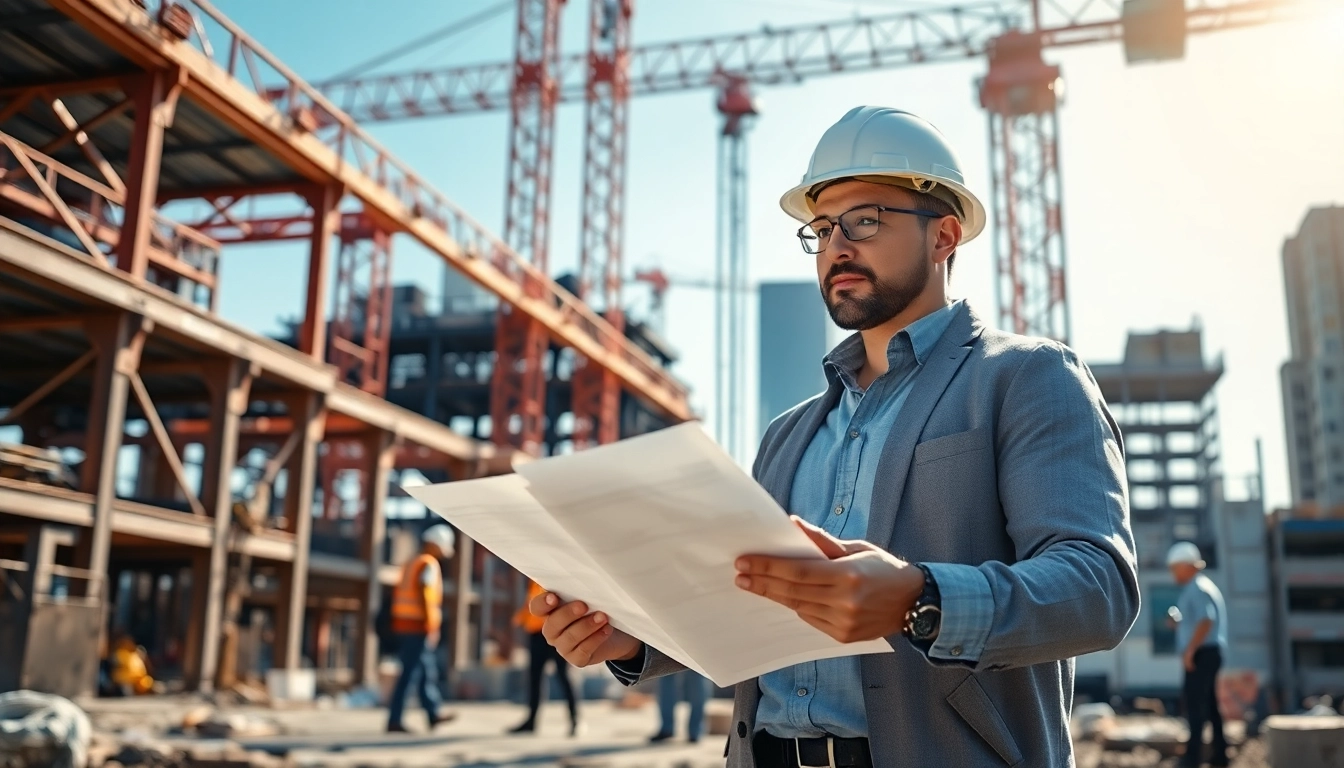
Understanding the Role of a Manhattan Construction Manager
The role of a Manhattan Construction Manager is integral to the construction industry, especially within the bustling urban environment of Manhattan. As the backbone of the project management team, they bridge the gap between various stakeholders, ensuring that construction projects are delivered on time, within scope, and on budget. Their expertise is critical not just in overseeing the operations, but in synergizing the efforts of architects, engineers, labor, and clients to bring architectural visions to life.
Key Responsibilities of a Manhattan Construction Manager
Manhattan Construction Managers have a multifaceted role characterized by a diverse range of responsibilities. They are tasked with:
- Overseeing the entire construction process, from planning to execution.
- Coordinating with architects, engineers, and subcontractors to ensure project quality and compliance with regulations.
- Monitoring project timelines and budgets, ensuring efficient resource allocation.
- Implementing safety protocols to promote a secure working environment.
- Facilitating communication between stakeholders to mitigate misunderstandings and promote collaboration.
Importance of Communication Skills
Effective communication is the linchpin of successful project management. A Manhattan Construction Manager must be adept at conveying information clearly and concisely to various parties, including field workers, clients, and upper management. They can prevent costly delays and ensure all team members are aligned by fostering an open dialogue. Additionally, they need to adapt their communication style based on the audience, ensuring that technical jargon is translated into layman’s terms for clients while providing detailed directives to the construction team.
Overview of Construction Management Processes
The construction management process involves several phases, including pre-construction, construction, and post-construction. Each phase requires meticulous planning and execution:
- Pre-Construction: This phase involves project planning, including budgeting, risk assessment, material selection, and timeline establishment.
- Construction: The core phase where the actual building occurs, requiring constant oversight to ensure timelines and budgets are adhered to.
- Post-Construction: Involves project closeout, final inspections, and handover to the client. Feedback is gathered to learn from the project experience.
Essential Skills Required for Success
Beyond specific responsibilities, certain skills are essential for anyone aspiring to become a Manhattan Construction Manager. These include:
Leadership and Team Management
A leader in construction management is expected to inspire and motivate their team. They must cultivate a positive work environment that encourages collaboration and accountability while delegating tasks effectively. Strong leadership skills also come into play during conflict resolution and ensuring that team morale remains high, even in the face of challenges.
Technical Expertise in Construction
Manhattan Construction Managers need a solid understanding of construction techniques, materials, and methodologies. This technical expertise allows them to make informed decisions and guide their teams through complex building systems, quality control protocols, and regulatory compliance. Hands-on experience in the field is invaluable, as it enhances the manager’s credibility and ability to make quick decisions.
Problem-Solving Capabilities
In an industry fraught with unpredictable variables, effective problem-solving skills are crucial. A Manhattan Construction Manager must swiftly address challenges, whether they arise from unforeseen structural issues, scheduling conflicts, or stakeholder disputes. By utilizing analytical skills and creativity, they can devise practical solutions that minimize disruptions and maintain project momentum.
Challenges Facing Manhattan Construction Managers
The construction landscape in Manhattan presents unique challenges that demand robust management strategies. Recognizing these challenges is the first step toward overcoming them.
Project Budget Management
With escalating costs and economic uncertainties, managing project budgets has become increasingly complex. A Manhattan Construction Manager must develop detailed financial plans, conduct cost analyses, and continuously monitor expenses to avoid overruns. Implementing contingency plans and leveraging value engineering techniques are strategies that can help maintain financial control.
Dealing with Regulatory Compliance
New York City is known for its stringent building codes and regulatory requirements. Compliance can be particularly challenging due to the ever-evolving nature of laws and regulations. A competent Manhattan Construction Manager must stay informed about current codes, ensure adherence during construction, and navigate the permitting process to avoid costly delays.
Adapting to Technological Changes
Technological advancements are continually reshaping construction management practices. The integration of tools like Building Information Modeling (BIM), project management software, and drones can streamline operations but requires managers to adapt quickly. A forward-thinking Manhattan Construction Manager will invest in training and technology to enhance productivity and ensure that their teams can leverage the latest industry innovations.
Best Practices for Effective Construction Management
To tackle the challenges and fulfill their responsibilities, Manhattan Construction Managers should adopt best practices that enhance efficiency and lead to successful project outcomes.
Utilizing Project Management Tools
Adopting project management software can significantly improve task tracking and scheduling. Tools like Microsoft Project or Monday.com facilitate better resource management and collaboration among team members. By providing real-time updates and data analytics, these tools enable more informed decision-making and the ability to identify potential problems before they escalate.
Establishing Strong Client Relationships
Building lasting relationships with clients is essential. By maintaining transparency and encouraging open dialogue, Manhattan Construction Managers can ensure the client feels involved throughout the process. Regular updates, seeking feedback, and addressing concerns promptly can foster trust and satisfaction, leading to repeat business and referrals.
Building a Collaborative Team Environment
A collaborative work environment encourages team members to share ideas and support one another. Regular meetings and team-building exercises can increase morale and enhance communication. Celebrating milestones and accomplishments fosters a sense of camaraderie that contributes to better team performance and project outcomes.
Frequently Asked Questions about Manhattan Construction Managers
What qualifications are needed to become a Manhattan Construction Manager?
A bachelor’s degree in construction management, civil engineering, or a related field is typically required. Additionally, relevant certifications and hands-on experience in construction management can enhance job prospects.
How much do Manhattan Construction Managers typically earn?
The salary for a Manhattan Construction Manager can vary based on experience and the project’s size. On average, compensation ranges from $80,000 to $120,000 annually, with the possibility of bonuses based on project performance.
What role does a Manhattan Construction Manager play in project safety?
A Manhattan Construction Manager is responsible for enforcing safety protocols, conducting risk assessments, and ensuring compliance with Occupational Safety and Health Administration (OSHA) regulations, thereby safeguarding workers and minimizing hazards.
How do Manhattan Construction Managers handle project delays?
They analyze the cause of the delay, communicate with involved parties, and devise a recovery plan that may involve reallocating resources, adjusting timelines, or negotiating with subcontractors to get back on track.
What are the trends affecting the construction management industry in Manhattan?
Key trends include increased use of technology such as BIM and project management software, a growing focus on sustainable construction practices, and heightened attention to safety and compliance standards in response to regulatory changes.