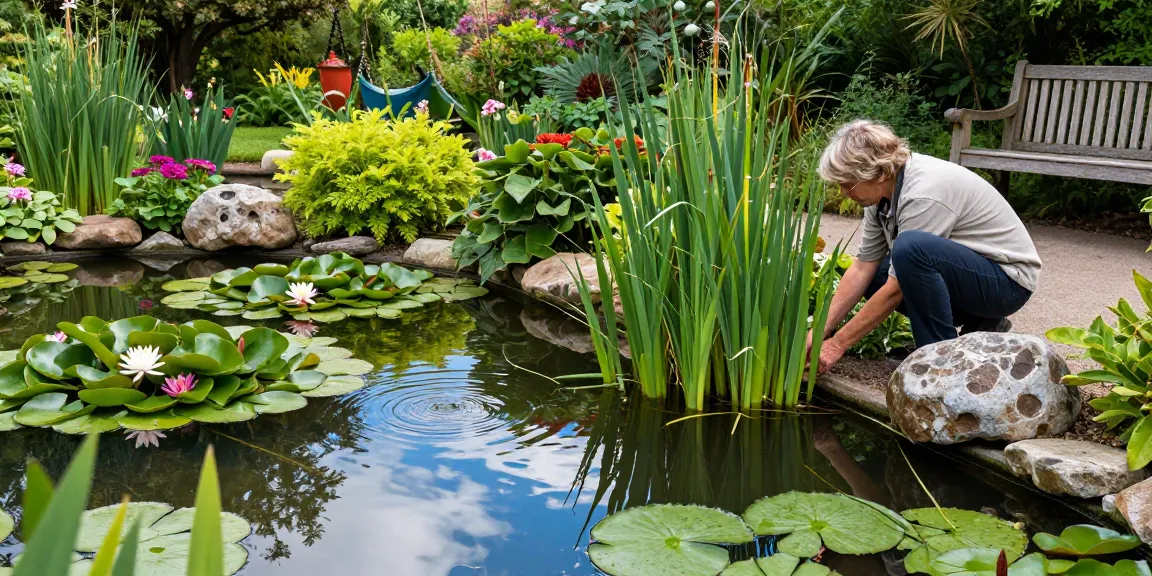
The Rich History of British Pond Plants
British pond plants are not merely aesthetic components; they are vital threads woven into the fabric of the UK’s natural heritage. From ancient times to the present day, these aquatic flora have shaped ecosystems, supported wildlife, and influenced cultural practices. Understanding their rich history offers insights into the role they play within both ecological systems and human environments. When exploring options, British Pond Plants provide comprehensive insights into the types and benefits of these remarkable species.
Origin Stories of Key Species
British pond plants boast a long and storied lineage, with many species adapted specifically to the climatic and hydrological conditions of the UK. For instance, the Water Lilies (Nymphaea) have roots tracing back thousands of years, thriving in the still waters of ponds and lakes. Other significant species include the native Marsh Marigold (Caltha palustris) and the versatile Water Mint (Mentha aquatica), both of which have evolved over time to become integral parts of their ecosystems. These plants play crucial roles in nutrient cycling and habitat provision, ensuring the health of aquatic environments.
Traditional Uses and Cultural Significance
Throughout history, British pond plants have held various cultural significances. Many were used in traditional medicine, while others featured prominently in folklore and art. For instance, the common Reed (Phragmites australis) was historically used to thatch roofs and make mats. Additionally, the symbolism associated with plants like the Lotus has led to their inclusion in literature and poetry, marking them as significant beyond their ecological functions.
Evolution of Garden Design Trends
The design of gardens in the UK has evolved, with British pond plants often at the forefront of these changes. The Victorian era marked a significant shift; elaborate water gardens became popular, showcasing plants such as the Yellow Flag Iris (Iris pseudacorus) alongside intricate water features. Today, contemporary designs emphasize sustainability and biodiversity, integrating native pond plants to create more naturalistic and ecologically sound landscapes.
Types of British Pond Plants
Understanding the types of British pond plants is essential for anyone looking to establish or maintain a thriving aquatic garden. These plants can be categorized into three primary groups: submerged, floating, and marginal plants, each contributing differently to the health and aesthetics of a pond.
Submerged Plants: Importance and Examples
Submerged plants are crucial in maintaining pond ecology; they provide oxygenation and act as natural filtration systems. Notable examples include Hornwort (Ceratophyllum demersum) and Elodea (Elodea canadensis), both of which thrive beneath the water surface. These plants offer habitat for aquatic creatures and help control algae growth by competing for nutrients.
Floating Plants: Enhancing Aesthetics and Ecology
Floating plants like Water Hyacinth (Eichhornia crassipes) and Duckweed (Lemna minor) enhance the visual appeal of ponds while providing shade and habitat. They play a vital role in reducing water evaporation and improving water quality by absorbing excess nutrients. Their vibrant presence not only beautifies a pond but also contributes to its ecological balance.
Marginal Plants: A Guide to the Best Choices
Marginal plants, situated at the water’s edge, help stabilize the soil and prevent erosion. Some popular choices include the Marsh Marigold and the Bulrush (Schoenoplectus lacustris). These plants are crucial for creating habitats for wildlife, providing nesting materials and food sources for various species, including birds and amphibians.
Growing and Maintaining British Pond Plants
Successfully growing and maintaining British pond plants requires understanding their specific needs and the dynamics of the pond ecosystem. By implementing effective strategies, pond enthusiasts can cultivate lush environments that flourish year after year.
Essential Planting Techniques for Beginners
For those new to pond gardening, starting with native species is advisable. It is essential to assess the pond’s conditions, including light exposure, water depth, and pH levels before planting. Techniques such as using plant baskets and aquatic soils can enhance growth and simplify maintenance.
Water Quality and Ecosystem Management
Maintaining water quality is paramount for the health of pond plants and aquatic life. Regular testing for pH, nutrient levels, and pollutants helps detect issues early. Implementing natural filtration methods, such as introducing specific species of submerged plants, can aid in ecosystem management.
Seasonal Care Tips for a Thriving Pond
Seasonal changes impact pond maintenance routines. In spring, focus on planting and removing debris. Summer requires monitoring for algae growth and ensuring adequate water levels. Autumn is the best time for dividing plants and preparing for winter. Lastly, winter maintenance includes protecting sensitive species and managing ice cover to ensure the health of the pond ecosystem.
Integrating British Pond Plants into Modern Landscapes
As modern landscaping trends shift towards sustainability, integrating British pond plants into designs can enhance both beauty and biodiversity. Thoughtful design principles can create harmonious spaces that respect natural ecosystems.
Design Principles for Garden Ponds
Incorporating British pond plants means considering aspects such as the natural shape of the pond, plant height, and the arrangement of species. Use plants with varying textures and colors to create visual interest while ensuring compatibility within the ecosystem.
Creating Wildlife Habitats with Native Flora
Utilizing native flora is essential for attracting wildlife and promoting biodiversity. By selecting a range of marginal, submerged, and floating plants native to the UK, you can create habitats that support insects, amphibians, and birds, enriching the pond’s ecological value.
Combining Aesthetics with Sustainability
Modern pond designs benefit from a balance between aesthetics and sustainability. Opting for native plant species not only enhances beauty but also minimizes maintenance and promotes ecological balance, ensuring that the pond continues to thrive for years to come.
Future Trends in Pond Gardens: What to Expect by 2026
The future of pond gardening will likely witness exciting trends as ecological awareness grows. Innovations in plant selection and design will shape the next generation of aquatic gardens.
Emerging Species and Varietal Developments
As climate change drives shifts in ecosystems, emerging species and new varieties of existing plants will likely come to the forefront. Cultivating hybrids that are more resilient to changing conditions can ensure that pond gardens remain vibrant and healthy.
Innovative Pond Design Concepts
Future pond designs may incorporate integrated systems that utilize technology and sustainable practices. Concepts like natural swimming ponds, which blend aesthetics and function, will become increasingly popular, inviting broader participation in pond gardening.
Role of Technology in Aquatic Plant Care
As technology advances, tools for monitoring water quality and plant health will become more accessible. Automated systems and mobile apps are expected to assist enthusiasts in managing their ponds effectively, ensuring optimal conditions for both plants and wildlife.
What Are the Benefits of British Pond Plants?
British pond plants contribute to biodiversity, improve water quality, and provide habitats for wildlife. Additionally, they enhance the aesthetic appeal of gardens, allowing individuals to create serene and beautiful environments in their own backyards.
How Do I Choose the Right Pond Plants?
Choosing the right pond plants involves assessing your pond’s conditions and understanding the specific needs of various species. Consider factors like water depth, sunlight exposure, and the desired ecological benefits when selecting plants.
Can I Grow British Pond Plants in Containers?
Yes, many British pond plants can be grown in containers, which is a great option for those with limited space. Using aquatic compost in containers can help support plant growth while making it easier to manage water levels and maintenance.
What Maintenance Do Pond Plants Require?
Pond plants generally require periodic maintenance, including trimming dead foliage, monitoring for pests, and managing nutrient levels. Regular inspections and timely care will ensure a healthy and thriving pond ecosystem.
Are British Pond Plants Good for Wildlife?
Absolutely! British pond plants play a vital role in supporting wildlife by providing essential habitat and food sources. They help attract beneficial organisms such as pollinators, amphibians, and various bird species.
How Will Climate Change Affect Pond Plants?
Climate change poses challenges for British pond plants, with potential shifts in water availability and temperature affecting growth patterns. Adapting by selecting more resilient species will be crucial for maintaining healthy pond ecosystems in the future.