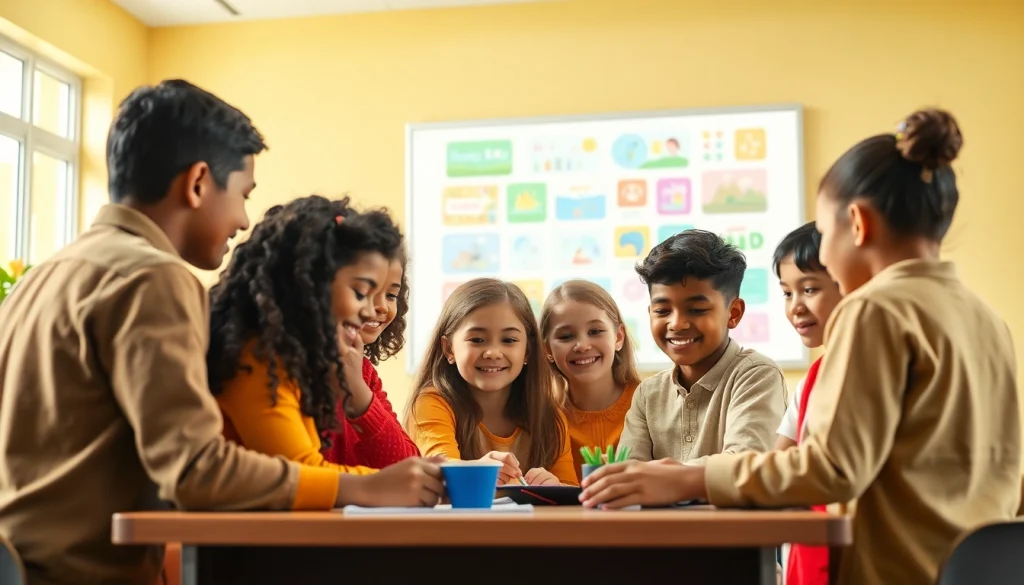
Understanding the Importance of Education
Education plays a crucial role in shaping individuals and societies, acting as a powerful tool for personal development and social progress. It serves not only to disseminate knowledge but also to develop critical thinking, improve interpersonal skills, and foster ethical values. In today’s rapidly evolving world, understanding the nuances of Education is more important than ever. This article delves into why education matters, its impact on personal growth, and how it varies across different cultures.
Defining Education within Modern Contexts
Traditionally, education is viewed as a structured process of teaching and learning, primarily taking place within institutions such as schools and universities. However, in contemporary contexts, education has expanded its definition to encompass a range of experiences beyond formal classroom settings. Today, it includes online learning, vocational training, and community-based initiatives, reflecting the diverse ways individuals seek knowledge and skills.
Moreover, education is not limited to just academics; it includes life skills, social competencies, and emotional intelligence. Understanding this broader perspective is crucial for educators and policymakers as they design educational programs that effectively meet the needs of all learners. By integrating various forms of education into curricula, we can prepare students for a multifaceted world.
Impact of Education on Personal Development
Education significantly influences personal development, laying the groundwork for lifelong learning and growth. Through education, individuals gain critical skills such as problem-solving, analytics, and effective communication, which are essential in both personal and professional contexts. Furthermore, it cultivates a sense of responsibility, creativity, and resilience among learners.
Research consistently shows that individuals with higher educational attainments tend to experience better job prospects, higher salaries, and improved health outcomes. Beyond economic benefits, education also enhances an individual’s capacity for empathy and cultural awareness, promoting social cohesion and collective understanding.
Global Perspectives on Education Systems
Education systems worldwide differ in their structures, methodologies, and cultural significance. In some regions, emphasis is placed on rote memorization and standardized testing, while others focus on critical thinking and creative problem-solving through experiential learning. For instance, Scandinavian countries, such as Finland, prioritize student well-being and employ a child-centered approach, leading to remarkable educational outcomes.
Furthermore, the global emphasis on inclusive education seeks to ensure that all individuals, regardless of background or ability, have access to quality education. This perspective not only champions equity but also recognizes the potential benefits of diverse educational environments, fostering innovation and adaptability in learners.
Challenges and Opportunities in Education Today
Despite its significance, the field of education faces numerous challenges, particularly in the face of rapid technological advancements and changing job markets. Identifying these barriers is crucial for leveraging growth opportunities and creating effective educational strategies for future generations.
Identifying Common Barriers to Effective Learning
Barriers to effective learning can be varied and complex, often relating to socio-economic status, cultural differences, and educational policies. For instance, students from lower socio-economic backgrounds may lack access to resources such as tutors, technology, and safe learning environments. Moreover, systemic issues like overcrowded classrooms and outdated curricula can hinder teachers’ abilities to deliver quality education.
Another significant barrier is the digital divide, a term that describes the gap between individuals who have access to modern information and communication technology and those who do not. In today’s digital world, proficient technological skills are paramount, making it essential that all students are given equal opportunities to engage with educational technologies.
Leveraging Technology in Education
Contrasting the challenges, technology offers immense opportunities for enhancing the educational experience. The rise of online learning platforms, educational applications, and virtual classrooms provides unparalleled access to resources. Technology can facilitate personalized learning, allowing students to learn at their own pace and engage with materials in ways that suit their preferences.
For example, adaptive learning technologies analyze a student’s performance in real time and adjust the content accordingly, ensuring that they grasp concepts effectively. Moreover, technologies such as artificial intelligence and virtual reality can create immersive learning experiences, enhancing students’ understanding of complex subjects. These tech-driven innovations herald a new age in education, where learning is more accessible and engaging than ever before.
The Role of Educators in Overcoming Challenges
Educators play a pivotal role in addressing the challenges within the education system. They are on the front lines, equipped with the unique perspective necessary to identify gaps and implement best practices. Continuous professional development and training for educators are paramount, ensuring they remain adept at harnessing new teaching strategies and technological tools.
Furthermore, effective collaboration among educators, parents, and community stakeholders is vital in supporting student success. By fostering open communication and creating awareness of the barriers students face, schools can cultivate a supportive learning environment that empowers all learners to thrive.
Best Practices for Collaborative Learning in Education
Collaborative learning is a powerful pedagogical strategy that fosters engagement, critical thinking, and teamwork among students. By leveraging group dynamics, collaborative learning empowers students to take charge of their education while facilitating social interactions that enhance their learning experiences.
Creating an Inclusive Classroom Environment
Inclusive classrooms recognize and celebrate the diversity of students, enabling individuals of all backgrounds and abilities to learn together. To create an inclusive environment, teachers must cultivate a culture of respect where every student feels valued, supported, and encouraged to participate freely. This can be achieved by utilizing varied teaching methods, such as group discussions and interactive activities, that cater to different learning styles.
Furthermore, educators must aim to provide equitable access to resources, offering additional support to students who may need it. Integrating differentiated instruction, adapting materials to meet diverse needs, and encouraging peer mentoring can significantly enhance the learning experience for all students in an inclusive classroom setting.
Effective Group Work Strategies
To facilitate successful group work, it is essential to clarify objectives, roles, and guidelines for collaboration. Establishing clear expectations helps prevent misunderstandings and ensures that all group members contribute equally. Educators should also introduce team-building activities that strengthen relationships among group members and enhance their ability to work collaboratively.
Regular check-ins and structured feedback sessions can help maintain accountability and guide groups in refining their approaches to the project. This not only ensures that students are learning from one another but also cultivates a sense of responsibility and commitment to their collective goals.
Assessing Collaborative Efforts in Education
Assessment in group settings can be challenging, but it is essential for understanding the effectiveness of collaborative learning. Implementing both individual and group assessments allows educators to gauge individual contributions alongside collective outcomes. Peer assessments can encourage accountability and promote reflection on group dynamics, while self-evaluations help students analyze their own participation and learning processes.
Illustrating the skills gained from collaborative experiences through portfolios can also provide valuable insights into student growth and development over time. This multifaceted approach to assessment not only acknowledges the importance of teamwork but also prepares students for real-world scenarios where collaboration is vital.
Innovation in Educational Methods
As the landscape of education continues to evolve, innovative methodologies are emerging to enhance teaching and learning processes. Adapting these methods effectively can offer profound benefits for both educators and students.
Integrating Project-Based Learning
Project-based learning (PBL) is an instructional approach that centers students in real-world problem-solving experiences. PBL encourages students to work on projects that stimulate inquiry, exploration, and collaboration, ultimately fostering deeper understanding and retention of knowledge.
Implementing PBL in the classroom requires thoughtful planning, including the selection of relevant topics, defining clear learning outcomes, and providing adequate resources for students. By showcasing the connections between academic content and real-world applications, students become more engaged and motivated learners, helping them to develop essential skills for the future.
Utilizing Gamification for Enhanced Engagement
Gamification incorporates game design elements into educational contexts to promote engagement and motivation. By creating interactive learning experiences, educators can stimulate interest and foster a sense of achievement among students.
Examples of gamification practices include incorporating quizzes, badges, and leaderboards that recognize student accomplishments. By tapping into the competitive nature of students, gamification can enhance the learning process while making education more enjoyable and relatable.
Community Involvement in Educational Programs
Community involvement is a crucial aspect of enriching educational programs. Collaborating with local organizations, businesses, and families can enhance educational resources and provide students with valuable insights into their local context. Partnerships with community members can lead to mentorship opportunities, internships, and skill-building workshops that prepare students for success beyond school.
Moreover, fostering parental engagement can strengthen the support system around students. Encouraging parents to participate in school activities and decision-making processes helps build a sense of ownership and collective responsibility for children’s education.
Measuring Success in Education
Evaluating the effectiveness of educational programs and initiatives is vital for continuous improvement. Measuring success involves analyzing various metrics and gathering feedback to adapt and enhance educational strategies.
Key Performance Indicators for Educational Success
Defining clear Key Performance Indicators (KPIs) is essential for measuring educational success effectively. Common KPIs include standardized test scores, graduation rates, and student retention rates. However, it is important to adopt a holistic approach that also considers student engagement, satisfaction, and well-being.
Incorporating qualitative measures, such as surveys and focus group discussions, can provide deeper insights into the learning environment and student experiences, helping to assess the true impact of educational programs.
Feedback Mechanisms from Students and Parents
Establishing robust feedback mechanisms allows educators to understand their students’ needs and perspectives better. Soliciting input from students and parents through surveys, meetings, and open forums not only aids in fostering a collaborative atmosphere but also empowers stakeholders to take an active role in the educational process.
Acting upon this feedback demonstrates a commitment to continuous improvement, increasing trust and engagement among students, parents, and educators alike.
Adapting Education Strategies Based on Data
Utilizing data to drive decision-making in education is essential for creating effective teaching strategies. By analyzing academic performance data, educators can identify trends and areas for improvement, allowing for targeted interventions.
Data-driven decision-making also involves assessing the effectiveness of new initiatives and making necessary adjustments based on evidence of their impact. Regularly reviewing and reflecting on program outcomes ensures that educational efforts remain relevant and aligned with student needs and societal expectations.