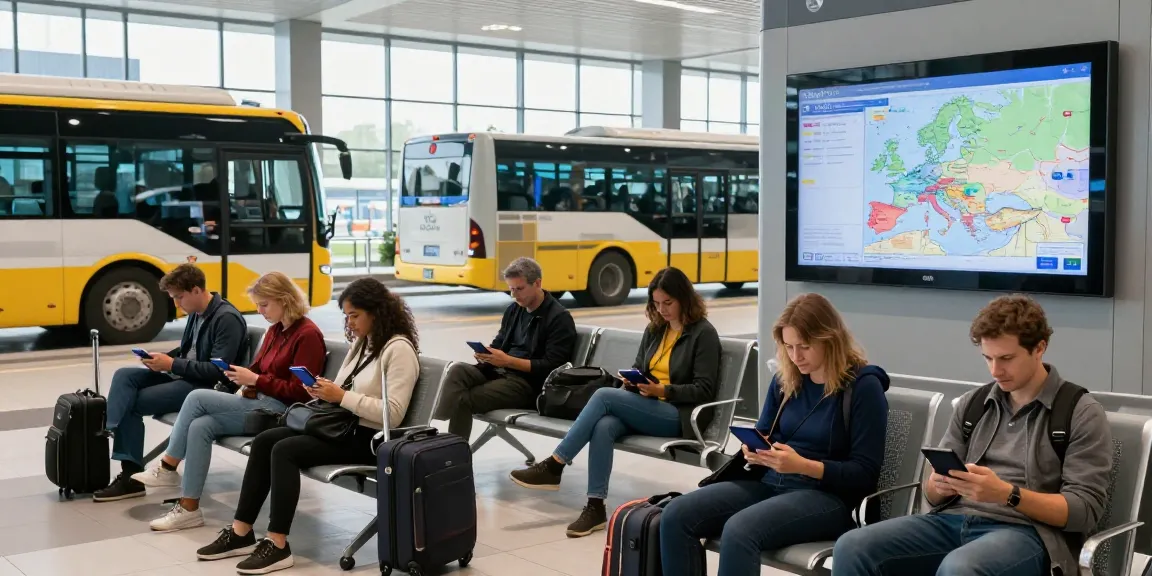
Understanding Regular Bus Services Across Europe
Regular bus services are a critical part of Europe's transportation infrastructure, offering travelers a reliable and budget-friendly way to explore the continent. These services connect major cities and towns, making it possible to journey across borders with ease. As we delve into the intricacies of bus transportation in Europe, we will uncover what regular bus services entail, their historical context, and their significance in modern travel. When exploring options, Regular Bus Services Across Europe provide comprehensive insights into routes, schedules, and pricing.
What Are Regular Bus Services?
Regular bus services refer to scheduled transportation offered by bus operators that run on fixed routes within and between cities across Europe. These services are characterized by their predictability, frequency, and affordability. Unlike charter or tour buses, which operate on-demand, regular buses adhere to predetermined schedules, ensuring that travelers can plan their journeys with confidence.
Historical Development of Bus Transportation in Europe
The evolution of bus transportation in Europe can be traced back to the early 20th century. Initially, buses were used mainly for local transport within cities. However, as the demand for intercity travel grew, the industry adapted, leading to the creation of long-distance bus routes. By the mid-20th century, companies began offering more extensive networks that connected multiple countries, enhancing accessibility for travelers. The establishment of the European Union further facilitated this growth by harmonizing transport regulations and promoting cross-border travel.
Importance of Bus Services in Modern Travel
Today, bus services play a vital role in facilitating movement across Europe, particularly for budget-conscious travelers. They offer numerous benefits, such as:
- Affordability: Bus tickets are generally cheaper than train fares or flight costs, making them an attractive option for students and tourists.
- Environmental Impact: Buses are more environmentally friendly than individual car travel and can reduce the carbon footprint of tourism.
- Accessibility: With extensive networks covering even remote areas, bus services make it possible for travelers to reach destinations that may not be serviced by other forms of transport.
Benefits of Choosing Bus Services for European Travel
Cost-Effectiveness Compared to Other Modes of Transport
One of the most compelling reasons to choose bus travel across Europe is its cost-effectiveness. With competitive pricing, bus services allow travelers to cover long distances at a fraction of the cost of flying or taking a train. Moreover, many bus companies offer discounts for students, seniors, and early bookings, further enhancing their appeal. In addition, the overall cost savings from bus travel often encompass additional free amenities such as Wi-Fi, charging ports, and refreshments, contributing to a comfortable journey without significant financial strain.
Environmental Impact of Bus Travel in Europe
The environmental benefits of bus travel cannot be overstated. Buses emit significantly less CO2 per passenger compared to cars and planes. As environmental concerns continue to rise, many travelers are now prioritizing greener choices. By opting for bus travel, individuals can reduce their carbon footprint, promote sustainable tourism, and contribute to the effort of protecting the planet. Furthermore, several bus companies are investing in cleaner technologies, such as electric buses, further enhancing their environmental credentials.
Convenience and Accessibility of Bus Networks
Bus networks in Europe are designed for convenience. Many operators offer frequent services on popular routes, allowing travelers to find a schedule that fits their plans. Additionally, buses reach areas that might be underserved by trains, making even remote regions accessible. Notably, major cities are often linked with multiple bus operators, giving travelers various options to choose from, enhancing the likelihood of finding a suitable service based on schedule and budget.
Planning Your Journey with Bus Services
How to Select the Right Bus Operator
Choosing the right bus operator is crucial for ensuring a seamless travel experience. Factors to consider include:
- Route Availability: Ensure that the bus operator covers your desired destination with a convenient schedule.
- Reviews and Reputation: Research customer feedback and ratings to gauge service quality.
- Amenities: Look for operators that offer additional comforts such as Wi-Fi, reclining seats, and onboard refreshments.
- Pricing: Compare prices across different operators to find the best deal for your journey.
Essential Tips for Booking Bus Tickets
Booking bus tickets can be a straightforward process if you follow these essential tips:
- Book Early: To secure the best prices and preferred seats, it’s advisable to book tickets in advance.
- Use Online Platforms: Take advantage of online booking platforms to compare routes, prices, and schedules efficiently.
- Check for Discounts: Many bus operators provide discounts for students, seniors, or group bookings, so be sure to explore these options.
What to Expect on Your Bus Trip
Understanding what to expect can enhance your bus travel experience. Options include:
- Seating Arrangements: Most buses provide comfortable seating with adequate legroom; however, seating arrangements vary by operator.
- Onboard Services: Many buses offer amenities such as Wi-Fi, power outlets, and restrooms. Familiarize yourself with what the operator provides.
- Travel Duration: Be prepared for variable travel times, as stops along the way may extend your journey. Always check the estimated duration when planning.
Challenges and Solutions in Bus Travel
Common Issues Faced by Passengers
Despite their many advantages, bus travel is not without its challenges. Passengers may encounter:
- Delays: Traffic congestion and weather conditions can lead to schedule disruptions.
- Overcrowding: Certain popular routes may experience high demand, leading to overcrowded buses during peak travel times.
- Limited Facilities: While many buses are equipped with amenities, some services may not meet travelers' expectations.
Strategies for Overcoming Travel Disruptions
To mitigate potential issues during your bus travel, consider the following strategies:
- Arrive Early: Being punctual can help alleviate stress in case of unexpected delays.
- Stay Informed: Use mobile apps or the bus company’s website to receive real-time updates on your trip.
- Be Flexible: If your schedule allows, consider alternative routes or travel times to bypass overcrowded services.
Future Trends in Bus Transportation
The bus transportation industry is continually evolving, with several trends shaping its future:
- Technology Integration: Mobile apps for ticket purchasing and real-time tracking will enhance convenience and user experience.
- Sustainability Initiatives: The shift towards eco-friendly buses, such as electric or hybrid models, will reduce carbon emissions and improve the environmental footprint of bus travel.
- Enhanced Passenger Experience: Operators are increasingly focused on improving comfort and onboard services to attract more travelers.
Frequently Asked Questions
What are the best bus services in Europe?
The best bus services in Europe often include operators like FlixBus, Eurolines, and National Express, known for their extensive networks, competitive pricing, and customer satisfaction.
How can I ensure my bus travel is comfortable?
To ensure a comfortable journey, choose reputable operators that offer modern buses with amenities like reclining seats, Wi-Fi, and power outlets. Additionally, pack snacks and bring a travel pillow for added comfort.
What should I do if my bus is delayed?
If your bus is delayed, check the operator’s app or website for real-time updates and potential rebooking options. It's also wise to communicate with the customer service line for further assistance.
Are there specific luggage restrictions for bus travel?
Most bus operators have specific luggage policies, typically allowing one or two pieces of luggage and a carry-on. Always check the operator's website for detailed guidelines to avoid unexpected fees.
How do I find the most affordable bus tickets?
To find the most affordable tickets, compare prices on multiple booking platforms, book in advance, and look for special promotions or discounts offered by bus companies.